
© Hidden Travels. By Shagufta Bashir — Inspiring journeys worldwide. All rights reserved.
Free Travel Tool
Tap Water Safety Checker: Can You Drink The Water Where You're Going?
This tap water safety checker lets you search a destination for a straight answer on tap water safety, backed by CDC and WHO travel health guidance, plus practical purification tips for the moments you're not sure.
📖 8 min read
🔄 Reviewed August 2026
💧 208 destinations
💧 190+ destinations covered
📖 Based on CDC Yellow Book 2026
🔄 Editorially reviewed
💸 100% free
Popular:
💧
—
Search a country
Water Safety Level
🚰 Tap Water
Search a destination above to see guidance.
🧊 Ice & Drinks
—
🦷 Brushing Teeth
—
🍾 Bottled Water
—
In This Guide
The Three-Tier Framework Behind This Tap Water Safety Checker
Instead of a vague "be careful" warning, we sort every country into one of three practical tiers based on CDC and WHO/UNICEF reporting on water infrastructure and treatment standards. It is not a lab test of the specific tap you're about to use, it is a starting point for how cautious to be.
| Tier | What It Means | What To Do |
|---|---|---|
| Tier 1 — Safe | Robust treatment infrastructure and consistent regulatory standards. | Tap water is fine to drink, brush teeth with, and use for ice. |
| Tier 2 — Caution | Treatment infrastructure exists but quality varies by city, building age, or season. | Filter or boil before drinking. Bottled water is the easier default for short trips. |
| Tier 3 — Avoid | Inadequate treatment infrastructure and a real risk of waterborne illness. | Bottled or purified water only, including for ice and brushing teeth. |
Even a "safe" rating has exceptions. A country can have excellent water infrastructure in its capital and unreliable wells in a rural village two hours away. Natural disasters, floods, and water main breaks can also temporarily contaminate normally safe systems. When in doubt on the ground, ask your hotel or accommodation directly, they will know the current local situation better than any general guide.
How To Purify Water When You're Not Sure
The CDC Yellow Book's 2026 edition lays out a few reliable methods, and it's worth knowing all of them since not every situation allows for the same equipment.
- Boiling: Bring water to a rolling boil for a full minute (three minutes above roughly 6,500 feet elevation). This is the most reliable method available almost anywhere with heat.
- Portable filters: A filter with a 0.1 to 0.2 micron pore size removes bacteria and parasites. It won't remove all viruses on its own, so pair it with chemical treatment in higher-risk areas.
- Chemical purification: Chlorine dioxide tablets or 1 to 2 drops of plain liquid bleach per liter, left to sit for 30 minutes, is a lightweight backup option that packs easily.
- UV purifiers: Small UV pens neutralize pathogens in clear water in under a minute, though they work best on water that's already visually clear.
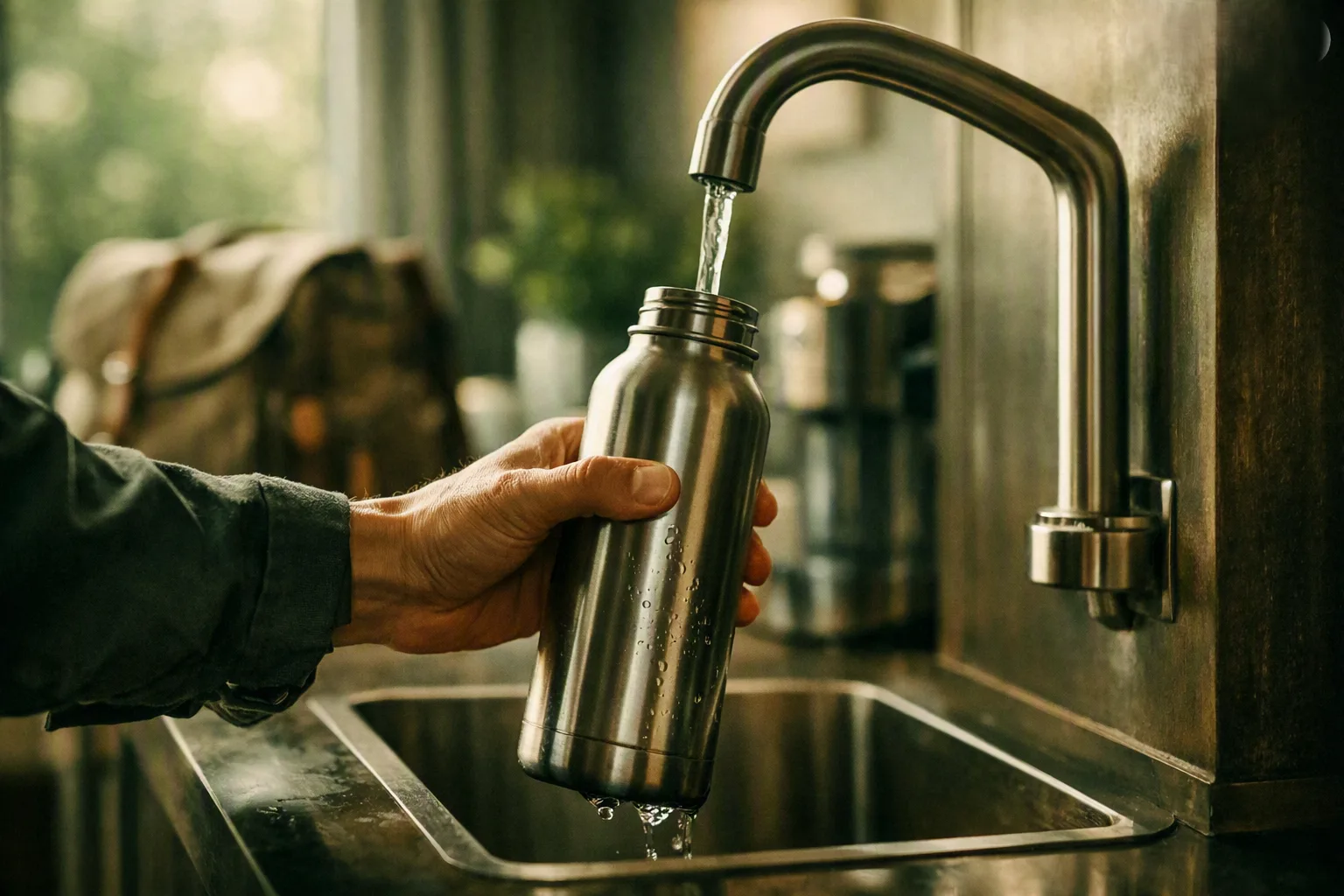
If you'd rather not pack purification gear at all, add a couple of reusable, sealed water bottles to your packing list and plan to buy bottled water locally in Tier 2 and Tier 3 destinations.
Ice, Teeth Brushing, and Other Water You Might Forget About
Most travelers remember not to drink questionable tap water directly, then forget it can reach them other ways. Ice cubes in a Tier 3 country are almost always made from tap water unless a restaurant specifically says otherwise. Brushing your teeth with tap water introduces the same risk in smaller doses, but repeated daily exposure adds up over a trip.
Salad greens washed in tap water and fresh juice made with tap water and ice are two more common, easy-to-miss exposure points. None of this means becoming paranoid about every drop, it just means applying the same standard consistently rather than only at the glass.
Buying Bottled Water Safely
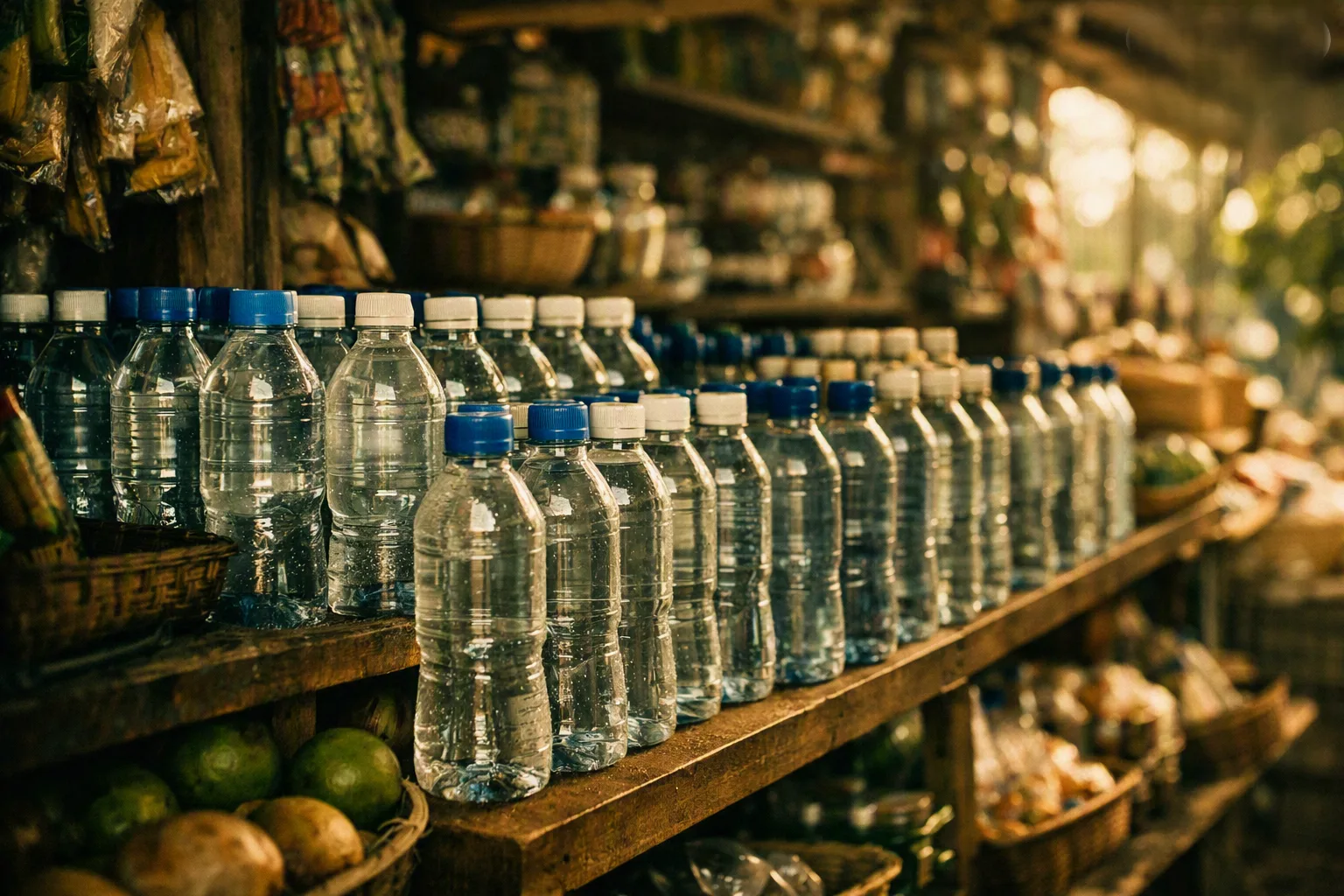
Bottled water is the easiest fallback in Tier 2 and Tier 3 destinations, but it isn't automatically risk-free. A known scam in a handful of lower-infrastructure destinations involves refilling used bottles with tap water and resealing them for resale. Before drinking, check that the seal is genuinely intact and that the cap doesn't look re-glued, and buy from a shop or hotel rather than an informal roadside stand where you can't verify the source.
Pro tip: If you're settling somewhere for weeks rather than days, a countertop filter pitcher is cheaper over time than buying bottled water daily. Check our digital nomad visa and cost of living finder if you're planning a longer stay, since it factors everyday costs like this into your budget picture.
Common Water Safety Myths
A few beliefs about tap water travel safely refuse to die, even though they don't hold up well.
- "Alcohol in a cocktail kills the bacteria in the ice." It doesn't. The alcohol concentration in a mixed drink is nowhere near strong enough to neutralize waterborne pathogens.
- "If the locals drink it, it's fine for me too." Long-term residents build some tolerance to region-specific bacteria strains through repeated exposure. A visitor's system hasn't had that adjustment period, so the same water can still cause illness.
- "Bottled water is always 100% safe everywhere." It's much safer than tap water in Tier 2 and Tier 3 countries, but a genuinely tampered or refilled bottle can still make you sick. Checking the seal takes two seconds and is worth the habit.
- "You'll know immediately if water made you sick." Symptoms from waterborne illness can take anywhere from a few hours to two weeks to appear, which is part of why so many travelers misattribute the cause to whatever they ate most recently.
A Quick Reference Before You Pack
If you're heading somewhere Tier 2 or Tier 3, run through this short list a few days before departure rather than figuring it out at the airport.
- Check your destination's tier above and note whether you're leaning on bottled water or a filter
- Pack at least one purification backup (tablets or a UV pen) even if you plan to buy bottled water, in case supply runs short
- Add reusable, sealable bottles to your packing list to cut down on plastic waste and cost
- Confirm your travel insurance covers gastrointestinal illness treatment, just in case
- Set a personal rule (bottled only, filtered only, whatever fits your trip) and apply it consistently, including to ice and teeth brushing
If You Do Get Sick
Traveler's diarrhea from contaminated water is unpleasant but usually short-lived and manageable with rest, hydration, and over-the-counter treatment. Watch for warning signs that need real medical attention: a high fever, blood in your stool, or symptoms lasting more than a few days, especially in young children or anyone with an existing health condition. Because a clinic visit abroad can be expensive even for something routine, it's worth confirming your travel insurance covers this before you go. A policy through a marketplace like Intui Travel lets you compare plans against your specific destination in a few minutes.
Frequently Asked Questions
Almost always, provided the seal is genuinely intact when you buy it. In a small number of destinations, resold bottles refilled with tap water are a known issue, so check the seal before drinking.
It's generally lower risk than drinking a full glass, but if you want to be cautious, bottled or boiled water for brushing is the safer default in any Tier 2 or Tier 3 destination.
Boiling kills bacteria, viruses, and parasites effectively, but it doesn't remove chemical contaminants or heavy metals. In areas with known chemical contamination, filtered or bottled water is a better choice.
Yes. In Tier 1 destinations, tap water and ice made from it are treated to the same standard, so this isn't a concern the way it is in Tier 2 or Tier 3 countries.
When in doubt, treat it as Tier 2: use bottled or purified water for drinking, and check the CDC's destination page for specifics before you travel.
Often yes, because long-term local exposure builds some tolerance to region-specific bacteria that a visitor's system hasn't adapted to. This isn't a reliable guide for travelers, since the underlying water quality is the same for everyone.
Generally yes for the duration of a trip, following the product's instructions. They're designed for repeated travel use, though some leave a mild taste that a small amount of powdered drink mix can mask.
Not usually. Most hotels draw from the same municipal supply as everywhere else in the city, unless they specifically advertise their own filtration system.
Showering is generally fine even in Tier 2 and Tier 3 destinations, since the main risk comes from ingestion. Just try to avoid swallowing water and keep it away from open cuts where possible.
We review the tier list on a recurring basis against CDC and WHO/UNICEF reporting. Since this is infrastructure-level guidance rather than a live feed, always check the CDC's destination page for anything time-sensitive, like a current outbreak notice.
Final Thoughts
Most travelers overthink the countries that are genuinely fine and underthink the ones that aren't, usually because tap water safety rarely comes up until it's already a problem. Bookmark this tap water safety checker, check your destination above, pack a couple of purification options if you're headed somewhere Tier 2 or Tier 3, and budget a little for bottled water so it never feels like a reason to cut corners.
Water safety is just one piece of the puzzle, pair it with our Travel Safety Index for a fuller picture of your destination and our ETIAS/ESTA Tracker to confirm your entry requirements before you book. For more destination-specific prep, browse our travel blog before you go.
Need A Personalised Travel Plan?
Our travel planning service pulls destination guides, budget tools and safety research together into one full itinerary built around your travel style.
Related Free Tools
Why Trust This Tool
Every tier assignment here is based on CDC Yellow Book guidance and WHO/UNICEF water infrastructure reporting, not guesswork or a single traveler's anecdote. We review the list on a recurring basis, and where a specific country isn't yet covered, the tool says so plainly instead of guessing.
Data accuracy notice: This tool reflects general, country-level water infrastructure guidance. It is not a live water-quality feed, since no public API exists for real-time tap water testing by location. Regional exceptions are common even within countries rated as generally safe. Always check the CDC's destination-specific travel health page for anything time-sensitive, like an active outbreak notice.
Official sources we reference: CDC Travelers' Health and the CDC Yellow Book chapter on water disinfection, and the WHO drinking water fact sheet.
This page is provided for general travel planning purposes and is not medical advice. If you experience severe or persistent symptoms after drinking water abroad, seek medical care promptly. Learn more about how we research our content.