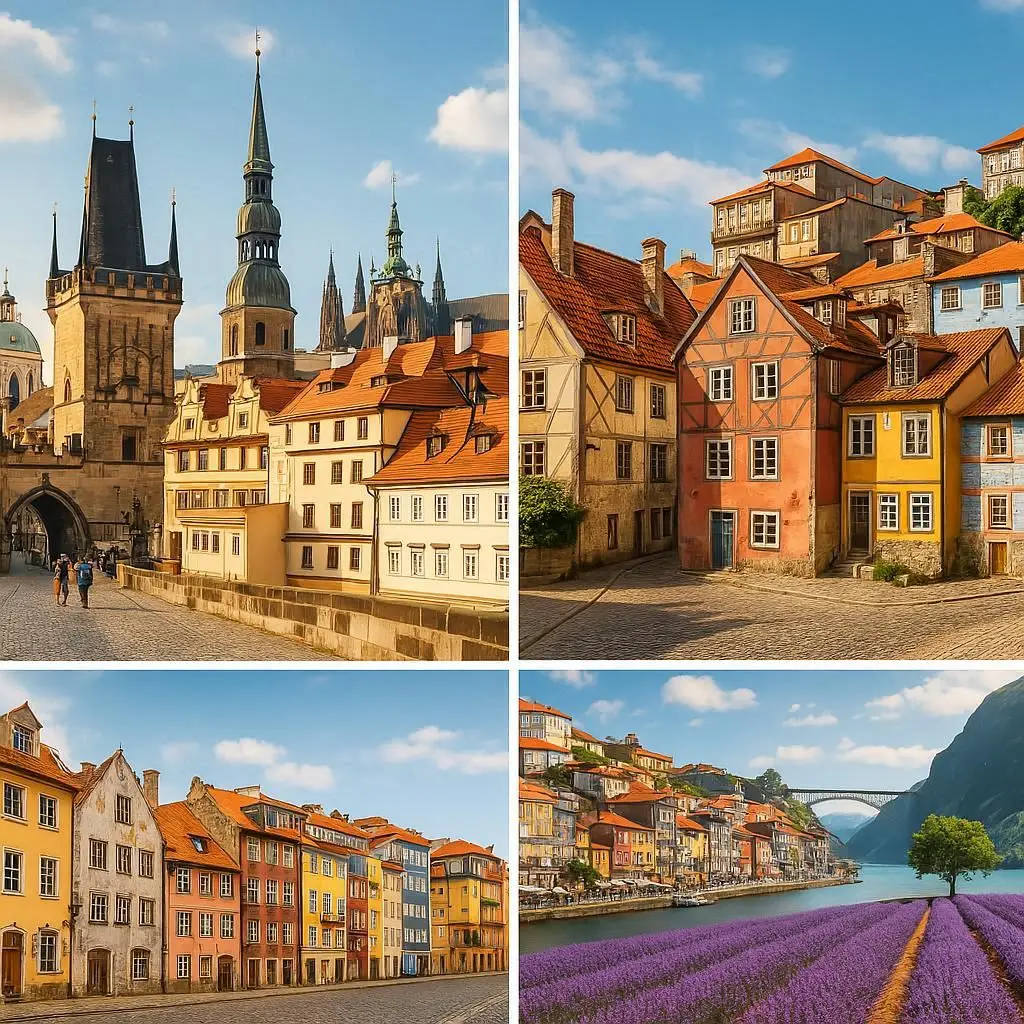


Cheap travel in Europe sounds like a contradiction to a lot of first-time travelers. Everyone’s heard the same line – cobblestone streets in Prague, lavender fields in Provence, fjords cutting into the Norwegian coast, all filed under “someday, when I have more money.” The assumption is simple: Europe is expensive, so only travelers with deep pockets get to actually go.
That assumption is mostly wrong. Budget travel in Europe is not just possible, it is often the more rewarding way to see the continent. Skip the overpriced tourist traps and you end up meeting more locals, finding better food, and actually experiencing the culture instead of a curated, overpriced version of it.
This guide is for anyone chasing cheap travel in Europe without wrecking their savings – backpackers on a shoestring, digital nomads stringing together longer stays, or families trying to make a memorable trip without a five-figure budget. We’ll cover choosing the right destinations, timing your trip, getting around and eating well without overspending, and the travel hacks that even experienced travelers tend to overlook. If you want the destination-specific version of this, our budget-friendly destinations in Europe guide pairs well with everything below.
Pro tip:
Start your planning with our Budget Travel category – it is updated regularly with money-saving guides and destination recommendations.
1. Why Europe Can Still Be Affordable
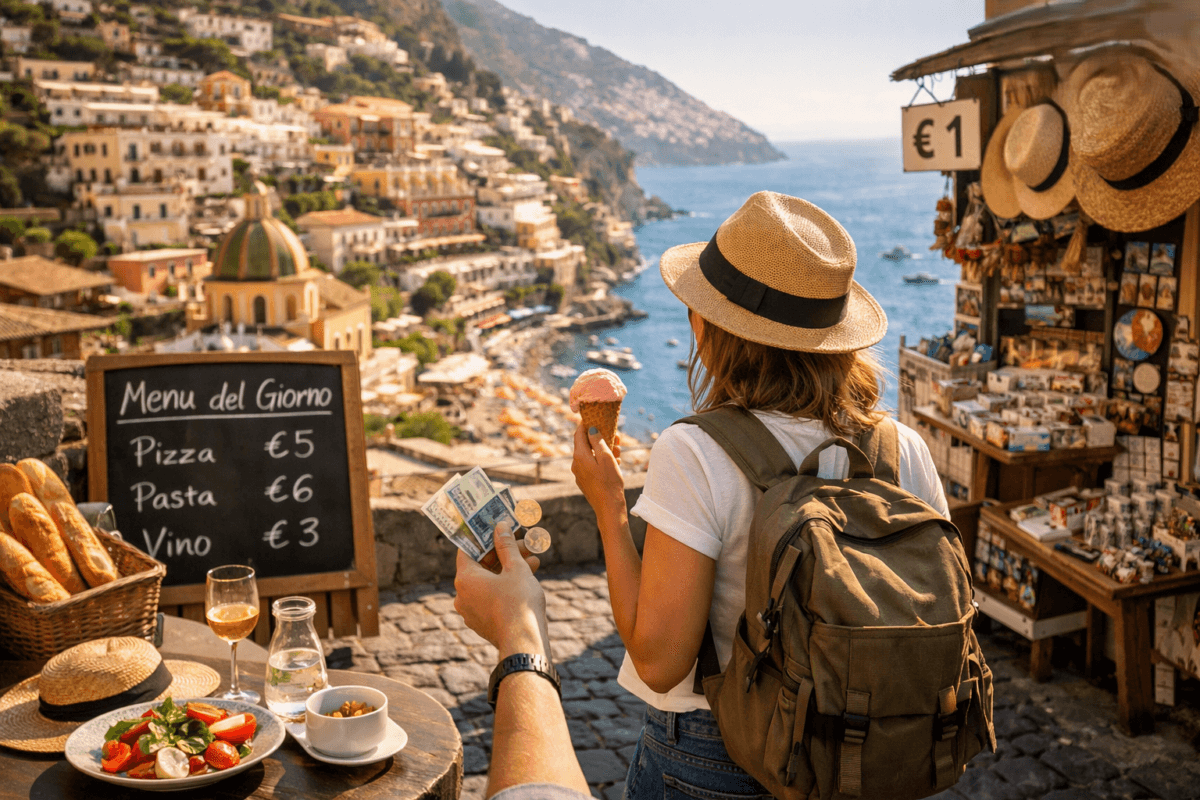
The trick to cheap travel in Europe isn’t finding some secret loophole – it’s just knowing that the continent is not priced uniformly. A night in Paris and a night in Kraków can differ by 300% for a comparable level of comfort, and most first-time travelers never realize how much control they actually have over their own budget just by choosing where to point the map.
Prices swing on destination, season, and a handful of small decisions (where you sleep, how you get around, where you eat) that compound over a trip. Get those roughly right and Europe on a shoestring becomes less about sacrifice and more about traveling a little smarter than the average tourist.
2. Planning Your Cheap European Adventure
A cheap Europe trip is won or lost before you ever board a plane. Good planning is what separates travelers who stay on budget from the ones who overspend without ever quite noticing where the money went.

2.1 Choose Budget-Friendly Destinations
The biggest mistake first-time travelers make is assuming all of Europe carries the same price tag. Your destination choice alone can double or halve your total trip cost. Here’s roughly how it breaks down by region, based on a typical budget traveler’s daily spend. For country-specific detail, our Destination Guides section has full breakdowns.
| Region | Example Countries | Daily Cost (Budget) | Why It’s Affordable |
| Eastern Europe | Poland, Romania, Bulgaria, Serbia | $30–$50 | Low accommodation costs, cheap public transport, affordable local food |
| Southern Europe (select areas) | Portugal, mainland Greece, southern Spain | $40–$70 | Lower cost of living, inexpensive fresh food, off-season beach towns |
| Western Europe (budget approach) | France, Germany, Italy (small towns) | $60–$90 | Doable if you stay in small towns, use public transport, and eat local |
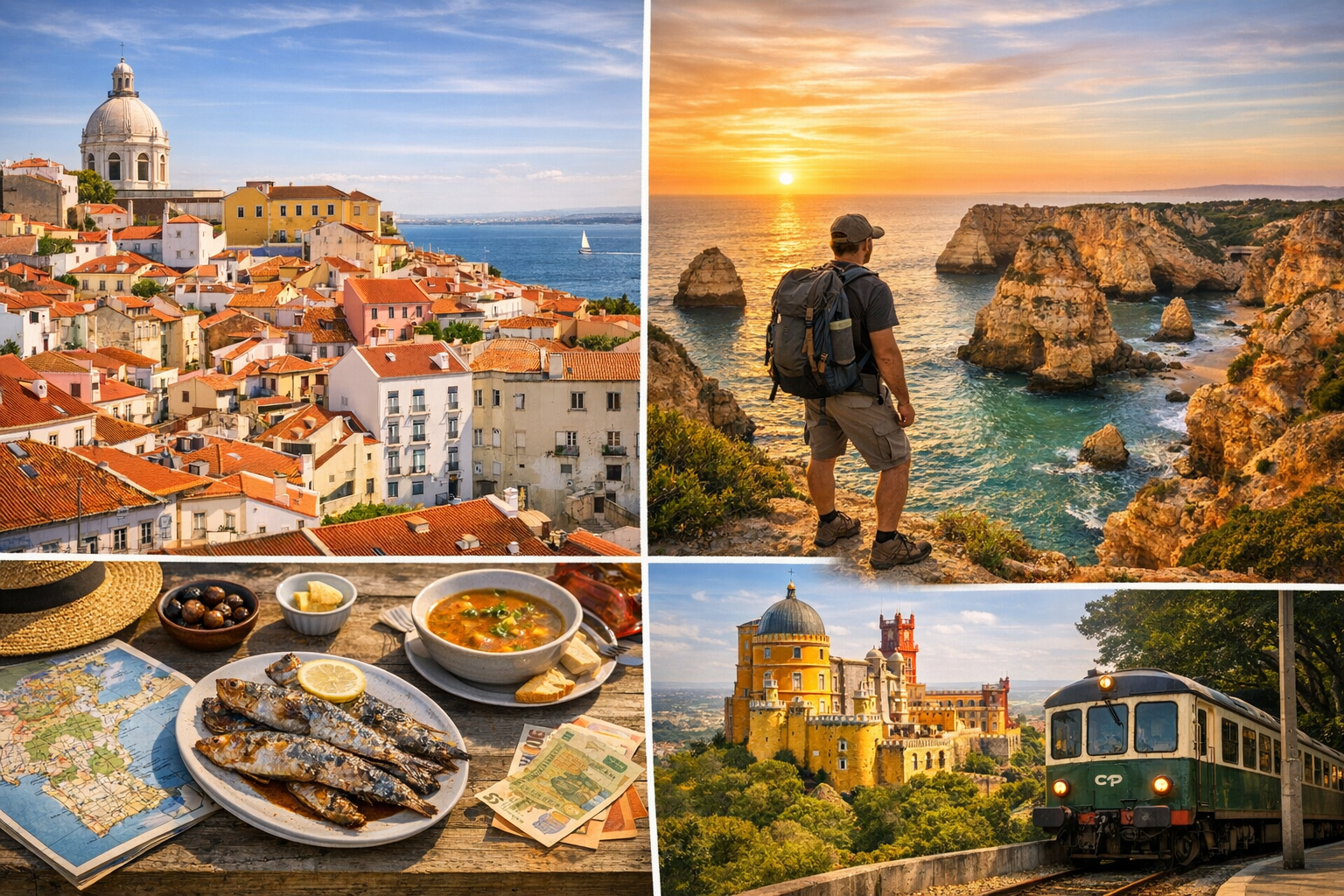
Eastern Europe is the clearest win for cheap travel – genuinely affordable, but also rich in culture, history, and food. In Kraków, hostel beds start around $12 a night and a hearty meal can run under $5. Bucharest has modern cafés, real historical landmarks, and budget hotels from about $25 a night. Portugal is worth mentioning here too, especially Lisbon’s outer neighborhoods and the Algarve during the off-season – both deliver a lot of value without ever leaving Western Europe. Our Portugal budget travel guide digs into this in more depth.
2.2 Travel Off-Peak Seasons
Timing shapes your budget almost as much as destination does. Peak summer (June-August) means higher flight and accommodation prices and noticeably more crowded attractions on top of it.
- Shoulder seasons (April-May and September-October) bring accommodation prices down by as much as 50%
- More flight deals become available as airlines try to fill off-peak seats
- Weather stays pleasant for sightseeing without the summer crush
- Fewer tourists at every major attraction
Traveling in winter, outside the Christmas and New Year weeks, often turns up the cheapest deals of the entire year – Prague, Budapest, and Athens in particular get noticeably quieter and cheaper once the holidays pass.
2.3 Set a Realistic Budget
Budgeting for a Europe trip is not just picking a daily number out of the air – it is understanding where that number actually needs to go.
- Accommodation: roughly 30-40% of daily spend
- Food: around 20-25%
- Transport: 10-20%, depending on how much ground you’re covering
- Activities: 10-20%, more if you’re planning paid tours
A 10-day Eastern Europe trip, for example, might look like $25/night × 10 nights ($250) + $15/day food ($150) + $8/day transport ($80) + $10/day activities ($100) – roughly $580 total before flights.
Pro tip:
Track every expense with an app like Trail Wallet or TravelSpend. Our best travel apps to save money roundup covers a few more worth having installed before you go.
3. Finding Cheap Flights to Europe

Flights are usually the single biggest expense on a Europe trip, and also the one with the most room to cut. Our guide to finding cheap flights covers the general strategy in more depth, but here’s what matters specifically for Europe.
3.1 Book in Advance vs. Last Minute
For international flights into Europe (from the US, Canada, or Asia), the sweet spot tends to be 2-4 months before departure – early enough to catch airline sales, late enough that prices haven’t started climbing. For short-haul flights within Europe, last-minute deals on budget airlines can sometimes beat booking ahead, especially if you are flexible on dates. I once booked a Ryanair flight from Milan to Barcelona for €12, two days before departure – timing within Europe just works differently than long-haul.
3.2 Use Flight Comparison Tools
Never check just one airline’s site. Google Flights is strong for flexible date searches, and Skyscanner’s monthly price calendar makes it easy to spot the cheapest days to fly. WayAway Plus is also worth having in the mix, since it adds cashback on top of already competitive fares.
- Search in incognito or private mode to avoid dynamic pricing creep
- Be open to alternative airports – Milan Bergamo instead of Milan Malpensa, for instance, can save real money
- Mix airlines and book one-way tickets separately when it works out cheaper
3.3 Avoid Common Flight Booking Mistakes
Don’t grab the first “cheap” fare you see – hidden fees for baggage or seat selection can double the real cost. Check baggage limits carefully for budget carriers like Ryanair and Wizz Air, and where possible, avoid high-season weekend flights; midweek departures (Tuesday, Wednesday) are consistently cheaper across most of Europe’s budget airlines.
4. Affordable Accommodation in Europe
Where you sleep is one of the biggest levers you have on a Europe budget, and the continent has a genuinely wide range of options that don’t sacrifice safety or comfort to stay cheap.

4.1 Hostels and Guesthouses
Hostels have moved well past the bare-bones dorm stereotype. Plenty of modern European hostels are boutique-style, with clean interiors, free wifi, communal kitchens, and even private rooms if you want the social perks without the shared dorm.
- Dorm beds in Eastern Europe typically run $8-$15 a night; Western Europe is more like $20-$35
- Built-in social opportunities for meeting other travelers
- Extras like free walking tours, communal dinners, or laundry service at some properties
Chains like Generator Hostels, a&o Hostels, and Hostel One are reliable across major European cities if you would rather book something with a consistent standard.
Pro tip:
Book directly on a hostel’s own website when you can – they often offer better rates or freebies like breakfast that don’t show up on third-party booking sites.
4.2 Short-Term Rentals and Apartment Shares
Platforms like Airbnb, Vrbo, and Booking.com list full apartments that often beat a hotel on price if you’re traveling as a couple or a small group. A one-bedroom apartment in Lisbon for a week during shoulder season can run as little as $250 – noticeably cheaper than an equivalent hotel in the city center. Compare rates across platforms with Hotellook before committing to one site.
- Kitchen access to cook your own meals and cut food costs further
- A more local feel from staying in residential neighborhoods instead of tourist zones
- Weekly or monthly rates that drop meaningfully for longer stays
Safety tip:
Read reviews carefully and book with hosts who have multiple verified stays under their belt – it’s a simple filter that avoids most of the bad surprises.
4.3 University Dorm Rentals in Summer
During the summer break (roughly June-August), many European universities rent out empty student dorm rooms to travelers. You get prime, central locations at hostel-level prices, often with basic amenities like wifi and laundry included. Edinburgh, Paris, and Berlin all have this option, usually bookable through sites like UniversityRooms.com.
5. Getting Around Europe Cheaply
Europe’s transport network is one of the best in the world, and it gives budget travelers a genuinely wide set of options – but the price gap between the cheapest and priciest way to make the same trip can be significant.

5.1 Budget Airlines
Low-cost carriers changed the game entirely in Europe. Ryanair, easyJet, and Wizz Air can all price a flight cheaper than the equivalent train ticket – a Warsaw to Rome flight can run as little as €15 booked ahead. Our roundup of the best budget airlines across Europe breaks down which carriers are actually worth booking.
- Travel light – checked baggage fees can cost more than the ticket itself
- Double-check the airport; budget carriers often fly into secondary airports well outside the city center
- Bring your own snacks and water for after security
5.2 Trains and Buses
A Eurail Pass is worth it if you are covering multiple countries, while regional passes (like Germany’s Länder-Ticket) make more sense for shorter, single-country hops. On the bus side, FlixBus and BlaBlaCar Bus regularly run fares as low as €5-€10 between cities, and overnight buses double as a free night’s accommodation. For the routes worth planning a trip around, our guide to Europe’s most scenic train journeys covers standouts like Switzerland’s Glacier Express and Norway’s Bergen Line – both worth booking early for the discounted fares.
5.3 Ride-Sharing and Car Rentals
BlaBlaCar is a well-established ride-sharing platform where you split fuel costs with a driver already heading your direction. For rural areas with weak public transport, renting a car can actually work out cheaper if you’re traveling with others to split the cost. GetRentACar is worth checking to compare rental prices across providers – just watch for hidden fees like cross-border charges before you commit.
6. Saving Money on Food
Food is one of the easiest categories to accidentally overspend in on a Europe trip – and one of the easiest to rein back in once you know where to look.

6.1 Street Food and Local Markets
Local markets sell fresh produce, bread, cheese, and snacks well below tourist-area supermarket prices. La Boqueria in Barcelona has fresh fruit juices for €1-€2; Hala Mirowska in Warsaw is a great source for fresh produce at genuinely local prices. Street food scenes are growing across the continent too – Berlin’s currywurst, Budapest’s lángos, Istanbul’s simit, all cheap and all worth trying.
6.2 Cook Your Own Meals
Booking a place with kitchen access can cut your food budget dramatically. A simple self-prepared breakfast of eggs, bread, and fruit runs €2–€3, versus €10 or more at a café. In Italy and France specifically, local bakeries and small grocery stores often discount unsold items near closing time – worth asking about directly. Our hidden gems in Italy guide has a few small-town food tips along these same lines.
6.3 Eat Like a Local
Skip the restaurants clustered around major tourist sites and head into neighborhoods where locals actually eat. Look for daily lunch specials – “menú del día” in Spain, “pranzo” in Italy – which typically bundle a starter, main, dessert, and drink for under €10-€15.
7. Free and Low-Cost Attractions
Europe is full of world-class attractions that are free or nearly free if you time your visit right, which frees up more of your budget for the experiences that actually matter to you.

7.1 Free Museum Days
- Paris: the Louvre offers free entry the first Saturday of each month, 6-9:45 PM, and the Musée d’Orsay is free the first Sunday of the month
- London: the British Museum, National Gallery, and Tate Modern are free year-round
- London on a budget more broadly is worth a separate look – our free things to do in London guide has a longer list.
- Berlin: state museums often offer free entry the first Thursday evening of the month
Pro tip:
Even on paid days, some museums offer discounted “late entry” after 5 PM – worth checking before you assume full price is your only option.
7.2 Walking Tours
Free walking tours run in almost every major European city – you simply tip the guide at the end based on what you can afford. They’re some of the best budget-friendly ways to learn a city’s actual history and culture from a local’s perspective. SANDEMANs New Europe Tours and GuruWalk are both reliable providers to search for in most cities.
7.3 Outdoor Adventures
- Plitvice Lakes National Park, Croatia: modest entrance fee, genuinely stunning views
- The Swiss Alps: hiking trails are free, though cable cars cost extra
- Norwegian fjords: many viewpoints are free if you’re willing to hike to them
7.4 Festivals and Street Events
Plenty of European cities host free public festivals and celebrations worth building a trip around – Carnival in Venice for the parades and costumes, or Fête de la Musique in France, a nationwide day of free street music every June 21st.
8. Travel Hacks for Cheap Europe Trips
A handful of small habits can take a good budget trip and make it noticeably better, without adding real effort.

8.1 City Tourist Cards
Prepaid city cards bundle free or discountsed museum entry, unlimited public transport, and sometimes restaurant discounts. Paris Passlib’, the Berlin WelcomeCard, and the Lisboa Card are all worth considering – but only if your itinerary includes enough paid attractions to actually make the math work in your favor.
8.2 Local SIM Cards and eSIMs
Skip the roaming charges entirely with a local SIM or eSIM. Airalo offers affordable eSIMs you can activate instantly before you even land, and Yesim is a solid alternative with competitive rates across Europe.
8.3 Travel Insurance
Budget travel doesn’t mean skipping the essentials. A relatively small investment in travel insurance can save thousands if something genuinely goes wrong. EktaTraveling offers budget-friendly plans that still cover medical emergencies and trip disruptions properly.
8.4 Night Travel
Overnight buses or trains save a night’s accommodation cost while still moving you toward the next destination – one of the simplest, most reliable budget hacks in this entire guide.
8.5 Use Cash and Card Strategically
Some small towns and markets are cash-only, while cities generally lean card-friendly. Carry both, and use a no-foreign-transaction-fee travel card to avoid extra charges piling up on every swipe.
9. Sample 2-Week Cheap Europe Itinerary
Here’s a sample two-week route mixing Eastern and Southern Europe without overspending anywhere along the way.
Week 1 – Eastern Europe
- Days 1-3: Kraków, Poland – Wawel Castle, an Auschwitz day trip, and the Old Town. Hostel: $15/night.
- Days 4-5: Budapest, Hungary – thermal baths, Fisherman’s Bastion, a Danube cruise. Hostel: $12/night.
- Days 6-7: Bucharest, Romania – the Palace of Parliament, an Old Town walking tour. Budget hotel: $25/night.
Week 2 – Southern Europe
- Days 8-9: Athens, Greece – the Acropolis, the Plaka neighborhood. Hostel: $20/night.
- Days 10-12: Lisbon, Portugal – the Tram 28 ride, Belém Tower, street food at Time Out Market. Airbnb: $40/night.
- Days 13-14: Seville, Spain – Seville Cathedral, a flamenco show, a proper tapas crawl. Hostel: $18/night.
Average cost for the full two weeks, excluding flights: roughly $1,200-$1,500 covering accommodation, food, and transport.
10. Recommended Travel Resources
To keep cheap travel in Europe smooth and stress-free, here’s a list of tools and services worth having lined up before you go:
- Searadar — rent yachts and boats at competitive rates for coastal Europe.
- WayAway Plus — book flights with cashback rewards stacked on already low fares.
- Yesim eSIM — another solid, affordable eSIM option for Europe.
- GetTransfer — pre-book private transfers at lower rates than airport taxis.
- Travel & Tours Finder — discover budget-friendly guided tours and local activities.
- Radical Storage — store your luggage safely so you can explore hands-free.
FAQs About Cheap Travel in Europe
Is Europe actually affordable for first-time travelers?
Yes, particularly in Eastern and parts of Southern Europe. First-time travelers who stick to destinations like Poland, Hungary, Romania, or Portugal, travel in shoulder season, and use hostels or short-term rentals can comfortably manage $40-$70 a day, flights excluded.
What is the cheapest way to travel around Europe?
A mix of budget airlines for longer hops and buses or regional trains for shorter ones is typically cheapest. FlixBus and BlaBlaCar Bus routes can run €5-€10, and overnight travel doubles as free accommodation for that night.
How much money do I need per day for budget travel in Europe?
Budget travelers can expect $30-$50 a day in Eastern Europe, $40-$70 in parts of Southern Europe, and $60-$90 in Western Europe if you stick to small towns and public transport rather than major capitals.
What is the cheapest time of year to visit Europe?
Late autumn through winter, excluding the Christmas and New Year weeks, tends to bring the lowest prices on flights and accommodation. Shoulder season (April-May, September-October) is the best balance of low cost and good weather.
Are hostels safe for first-time travelers in Europe?
Generally yes. Reputable hostel chains and well-reviewed independent hostels are a safe, social, and budget-friendly option for solo and first-time travelers alike – just read recent reviews before booking, the same as you would for any accommodation.
Final Thoughts
Cheap travel in Europe does not require a fortune, a miracle deal, or years of frequent-flyer points. It requires picking the right destinations, timing your trip well, and making a handful of smarter choices about where you sleep, eat, and move around. Do that, and Europe on a shoestring stops feeling like a compromise and starts feeling like the smarter way to travel it in the first place.
Whether it is wandering the backstreets of Lisbon, catching a €10 bus from Prague to Vienna, or having a picnic by the Seine, the best of Europe often costs next to nothing. Pack light, plan smart, and go explore it the budget-friendly way.
@HIDDEN TRAVELS TEAM | hiddentravels.site