
⚠️ Affiliate Disclosure: This post contains affiliate links. If you book through our links, we may earn a small commission at no extra cost to you. We only recommend services we trust.
It was a Tuesday afternoon when I first stumbled upon Antelope Canyon – not the famous tourist version with the hour-long queue and the selfie sticks, but a lesser-known slot canyon just 40 minutes down a dirt road that most GPS systems refuse to acknowledge. There was nobody there. Just me, swirling sandstone walls, and a beam of light cutting through the rock like something from another planet.
That moment changed the way I travel forever. I stopped chasing the famous and started seeking the forgotten.
America is enormous – 3.8 million square miles of rivers, deserts, coastlines, mountains, and meadows – and most of it never makes it onto a travel influencer’s feed. The truth is, some of the most jaw-dropping, soul-stirring places in this country are hiding in plain sight, waiting for travelers curious enough to look beyond the obvious.
Whether you’re planning your next road trip from the UK, mapping out a summer adventure from Canada, or simply looking to escape the tourist crowds as a US local – this guide is for you. Here are 15 hidden gems in the USA that will completely redefine your idea of American travel.
Pro Tip: Use our AI Travel Budget Estimator at hiddentravels.site/travel-tools/ai-travel-budget-estimator/ to plan the cost of visiting these destinations before you book.
1. Crested Butte, Colorado – The Last Great Wildflower Capital
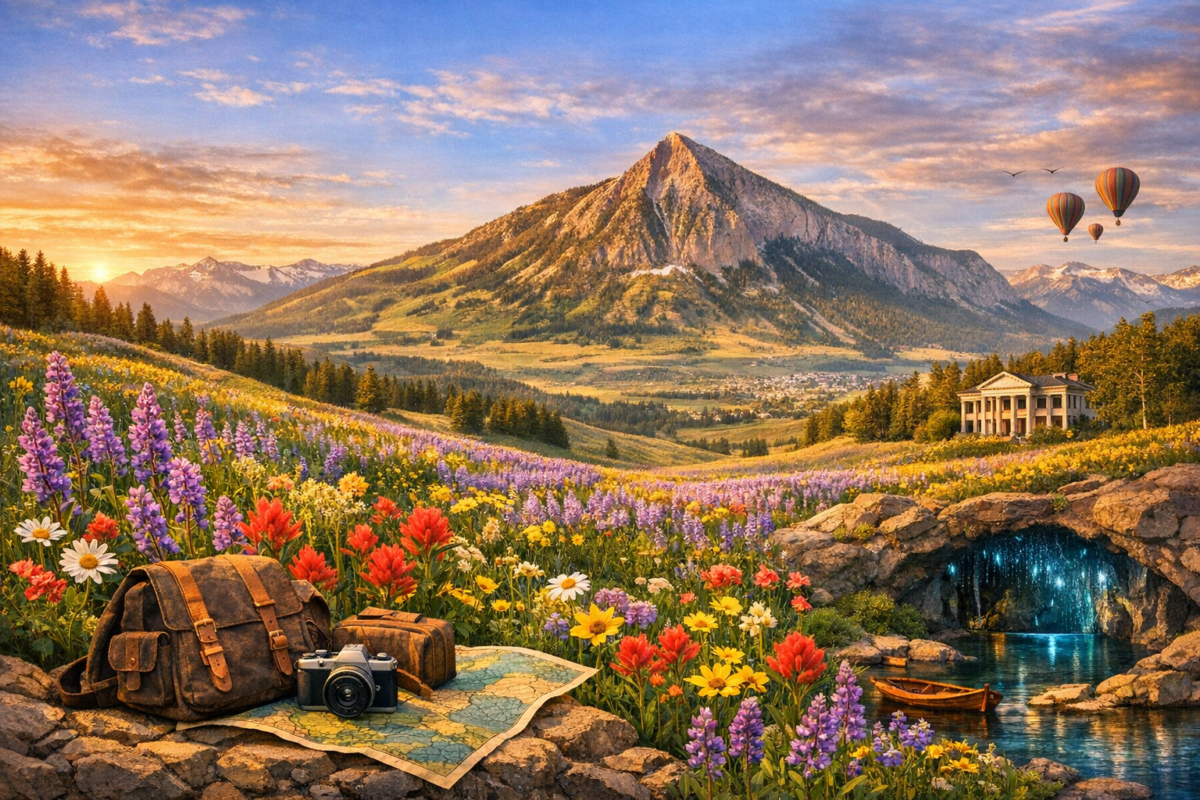
While everyone flocks to Aspen and Telluride, Crested Butte sits quietly in the Elk Mountains, entirely unbothered. This former coal-mining town is now one of the most colorful places on Earth – literally.
Every July, the surrounding meadows explode with wildflowers in a display so vivid that NASA has actually photographed it from space. Acres of purple lupine, golden sunflowers, and crimson Indian paintbrush stretch across valleys that you’ll likely share with no one but the occasional elk.
Why Crested Butte Works for International Travelers
It’s accessible from Denver (4 hours by car), has a charming walkable town center with excellent restaurants, and accommodation ranges from cozy budget hostels to luxury ski lodges. In winter, it transforms into a world-class ski destination – but without the Aspen price tag.
Pro Tip: Visit in mid-July for peak wildflower season. Book accommodation well in advance as the town has limited rooms. Search for flights into Denver using Aviasales for the best fares.
- Best for: Nature lovers, photographers, wildflower enthusiasts
- Best time to visit: July (wildflowers) or December-March (skiing)
- Getting there: Fly into Denver, rent a car – it’s a scenic 4-hour drive
2. The Enchantments, Washington State – America’s Most Dramatic Alpine Basin
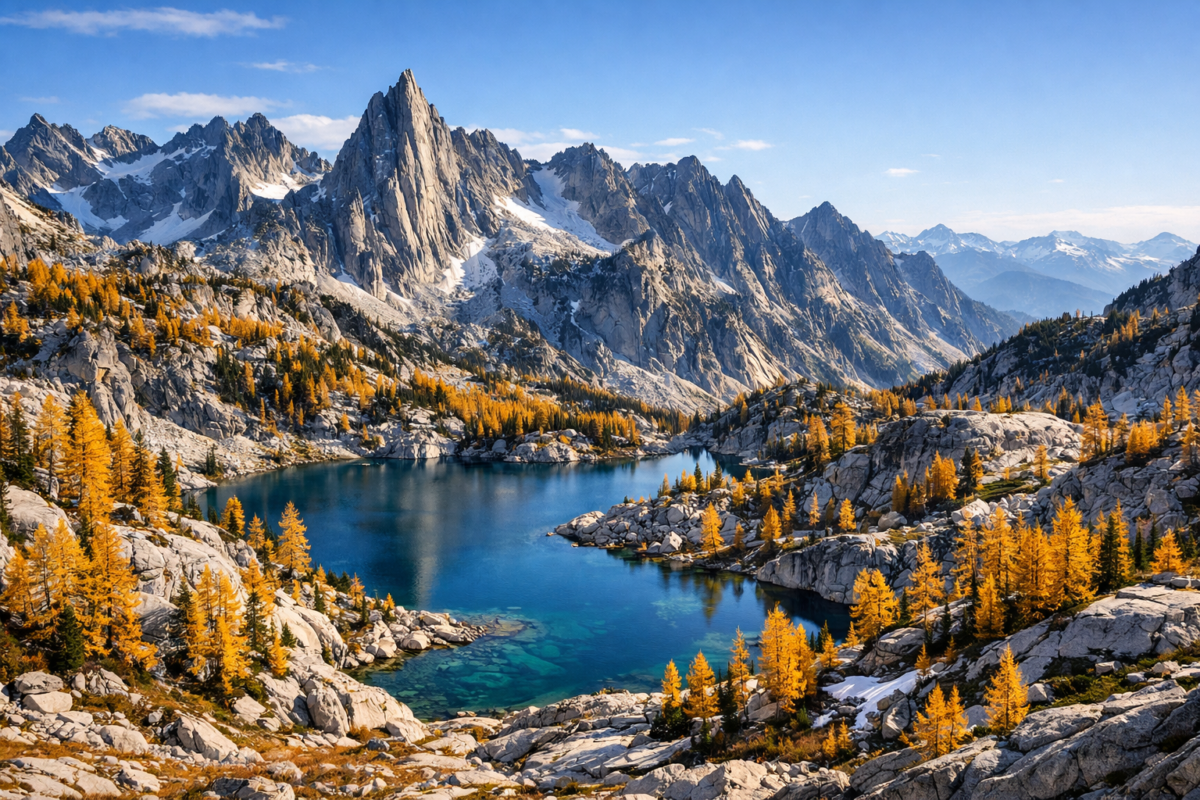
Hidden within the Alpine Lakes Wilderness of the Cascades, The Enchantments is arguably the most stunning alpine landscape in the continental United States – yet most people have never heard of it.
Picture turquoise glacier lakes stacked one above the other, granite peaks rising sharply overhead, and mountain goats wandering across rocky ledges as if posing for a National Geographic cover. The 18-mile traverse through the core zone is considered one of the hardest-to-access, most rewarding hikes in America.
How to Actually Get In
Permits are required and awarded by lottery – apply through Recreation.gov in February for the summer season. The competition is fierce (over 50,000 applicants for around 2,000 permits), but even day hikers can explore the outer zone without a permit and witness something spectacular.
Pro Tip: If you can’t get a permit, hire a guided tour. Check WeGoTrip for small-group hiking experiences in Washington State – guides know the permit system inside out.
- Best for: Serious hikers, adventure travelers, backpackers
- Best time to visit: Late August to early October
- Getting there: Fly into Seattle, rent a car, drive to Leavenworth
3. Marfa, Texas – The Strangest Small Town in America
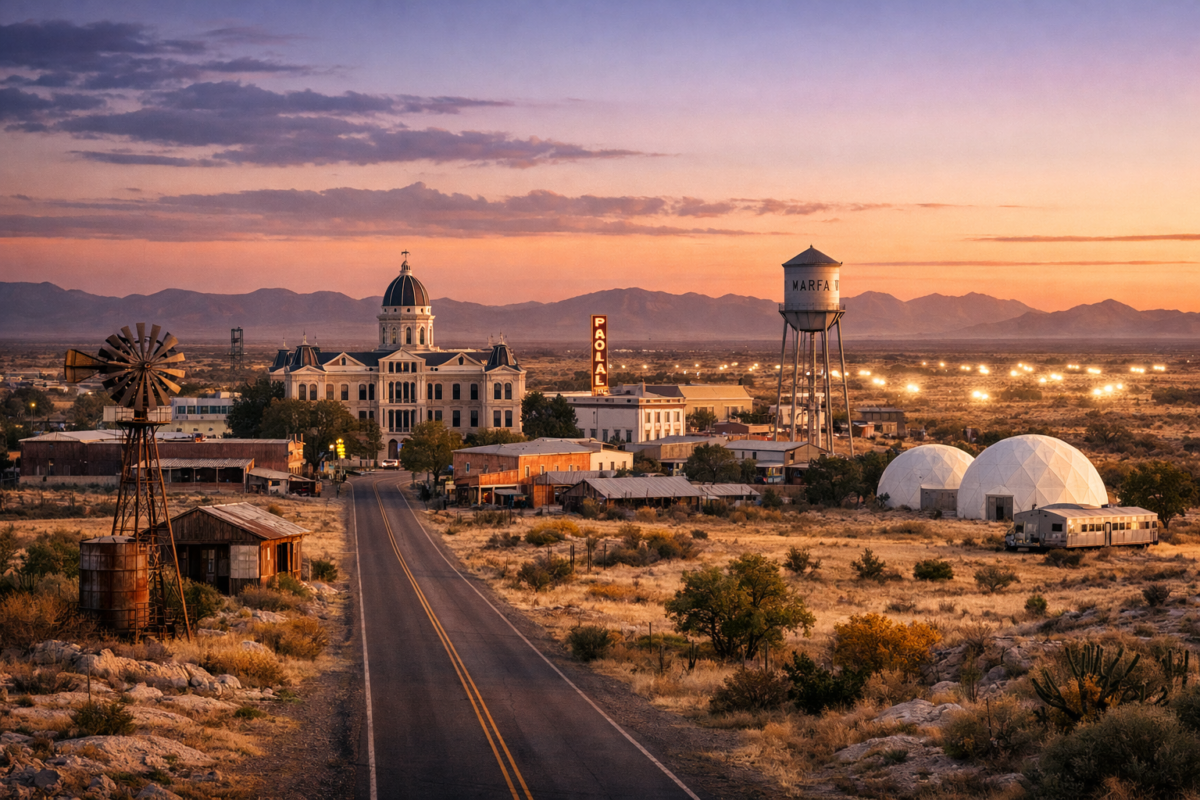
There is nowhere on Earth quite like Marfa, Texas. Population: 1,800. Number of contemporary art galleries: more than most major cities.
Located in the Chihuahuan Desert, 3 hours southeast of El Paso, Marfa is an inexplicable collision of ranching culture, international art, and unexplained atmospheric phenomena. The famous Marfa Lights – mysterious glowing orbs that appear on the horizon after dark – have baffled scientists and delighted visitors for over a century.
Artist Donald Judd transformed this remote town in the 1970s by installing large-scale permanent art installations in the surrounding landscape. Today, the Chinati Foundation draws art lovers from across the world who make the pilgrimage out to the desert just to stand inside a converted military barracks and stare at 100 aluminum boxes for two hours.
Pro Tip: Stay at El Cosmico for the full Marfa experience – a 21-acre campground with safari tents, yurts, and vintage trailers. It’s unlike any accommodation you’ve ever experienced.
- Best for: Art lovers, road trippers, curious minds
- Best time to visit: March-May or September-November
- Getting there: Fly into El Paso, rent a car
4. Apostle Islands, Wisconsin – Ice Caves and Sea Caves on Lake Superior
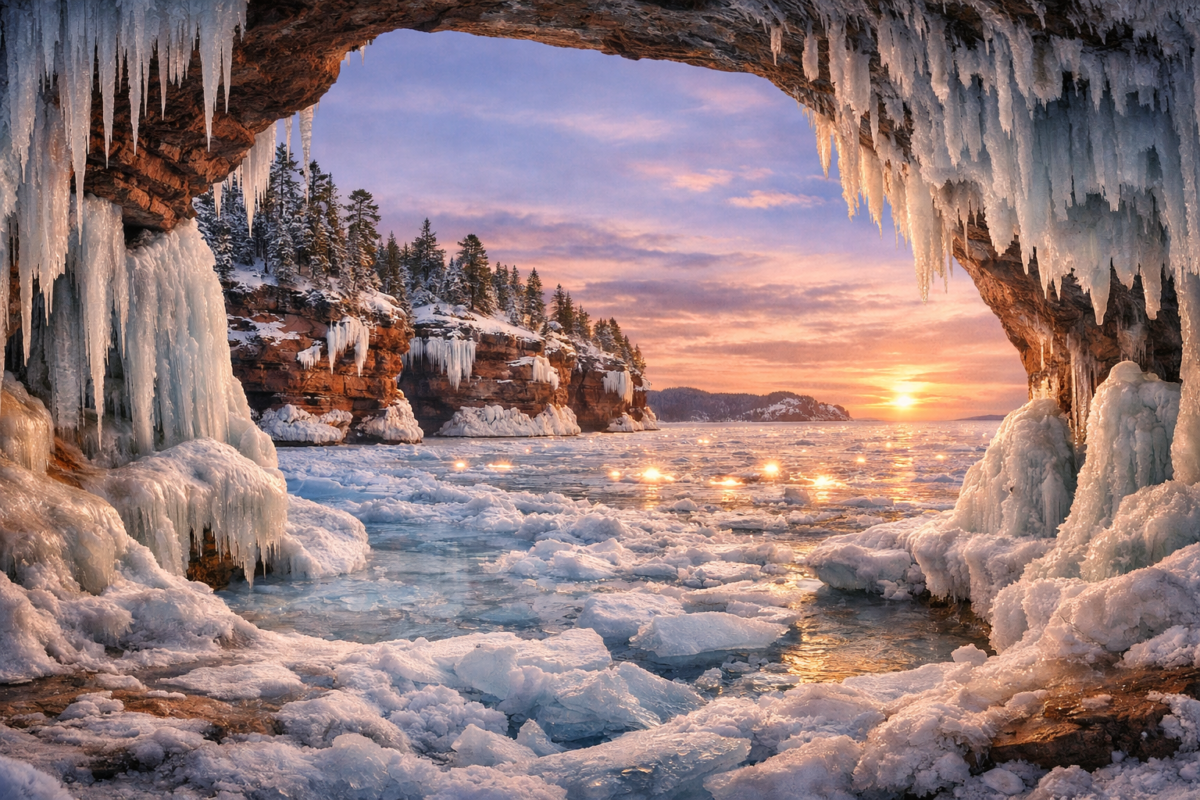
Lake Superior is so large it creates its own weather systems. The Apostle Islands archipelago – 21 islands scattered off the northern tip of Wisconsin – sits on this inland sea and offers some of the most extraordinary sea cave kayaking in North America.
In summer, paddle through ancient sandstone caves draped in ferns and minerals. In rare, brutally cold winters when the lake freezes solid, these same caves transform into cathedral-like ice formations – stalactites, curtains of blue ice, and frozen waterfalls that glow from within.
Pro Tip: Check the National Park Service website for ice cave access conditions in winter. The ice caves are only accessible a few times per decade when conditions are right – if they’re open when you visit, drop everything and go.
- Best for: Kayakers, nature explorers, winter adventure seekers
- Best time to visit: June-August (kayaking) or January-February (ice caves)
- Getting there: Fly into Minneapolis or Milwaukee, then drive north
5. Sedona’s Secret Vortexes – Beyond the Tourist Trail
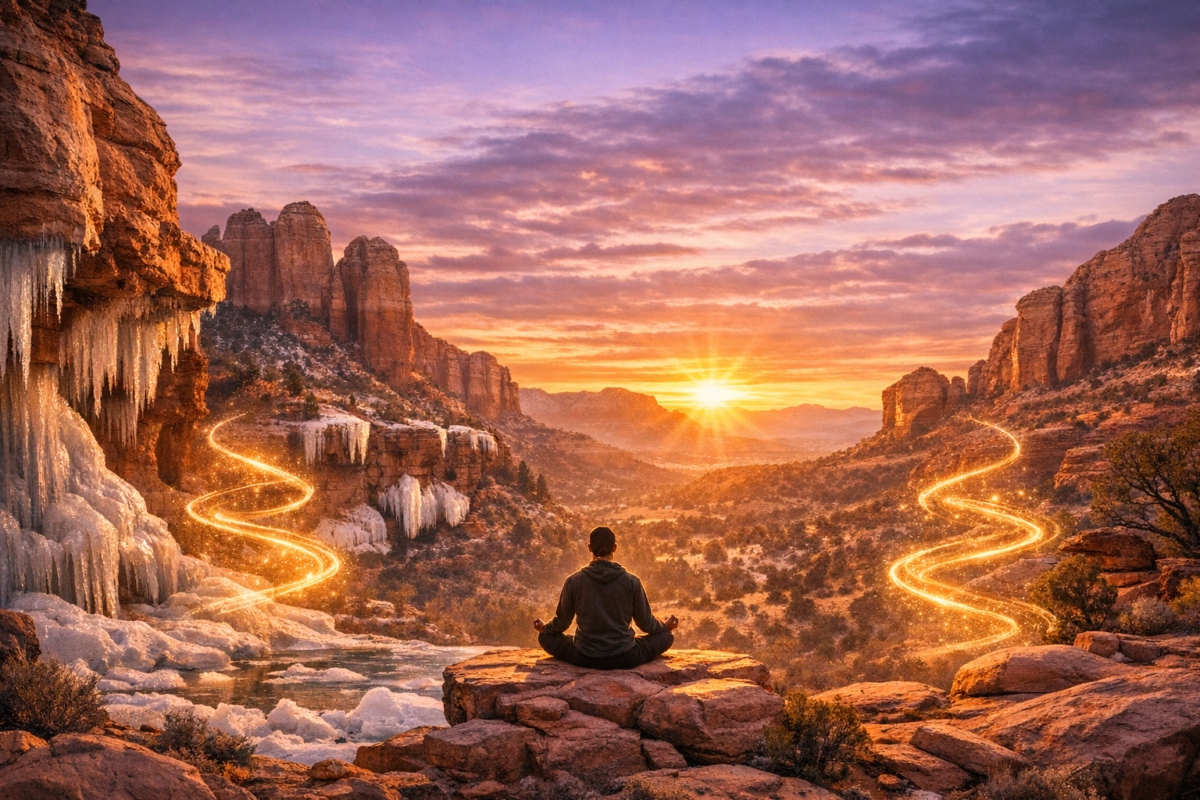
Yes, Sedona is on the tourist map. But most visitors stick to a handful of overlooks and the main strip of crystal shops. The real magic of Sedona hides in the lesser-known vortex sites, slot canyons, and red rock formations that require a short drive down an unmarked dirt road.
Boynton Canyon, Doe Mountain, and the Devil’s Bridge approach via the less-traveled Dry Creek Road offer exactly the same otherworldly landscape as the famous spots – with a fraction of the crowd. At sunrise, the red rocks shift through fifteen shades of orange and gold, and on clear nights, the dark sky outside town is extraordinary for stargazing.
Internal Resource
Planning a Southwest road trip? Read our complete guide on budget travel in the American Southwest at Budget Travel for tips on saving money across Arizona, Utah, and Nevada.
6. Pictured Rocks National Lakeshore, Michigan – Cliffs That Look Painted By Hand
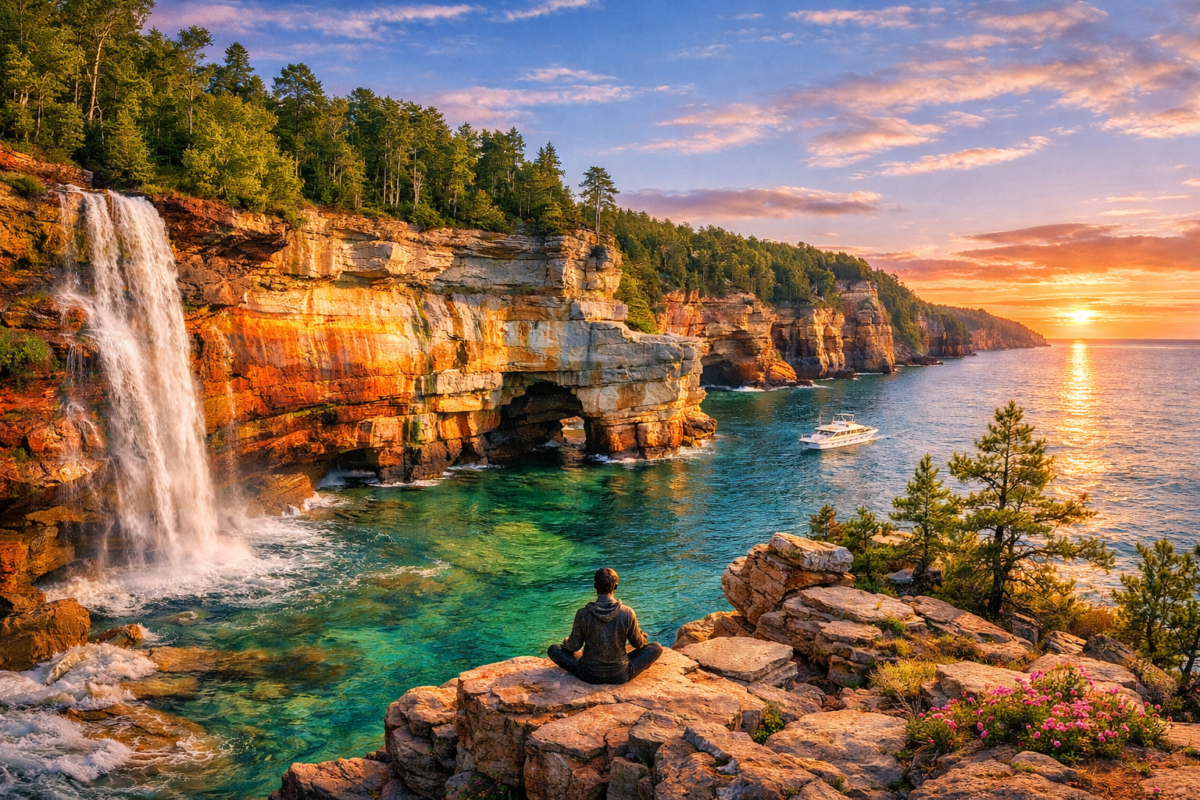
The multicolored sandstone cliffs of Pictured Rocks on Michigan’s Upper Peninsula are one of the great visual surprises of American travel. Iron, copper, manganese, and limonite have stained the 200-foot cliffs in vivid bands of red, orange, green, and black, creating formations that genuinely look like abstract paintings.
Boat tours run from Munising and give you the best view of the cliffs, sea caves, and natural arches. But for adventurers, paddling a kayak directly beneath the overhanging rock is an experience that ranks among the most memorable in American travel.
Pro Tip: Book your accommodation in Munising early – this area is growing in popularity and rooms fill up fast in summer. Use Hotellook to compare prices across booking platforms instantly.
7. Bend, Oregon – The Outdoor Playground Most Tourists Miss
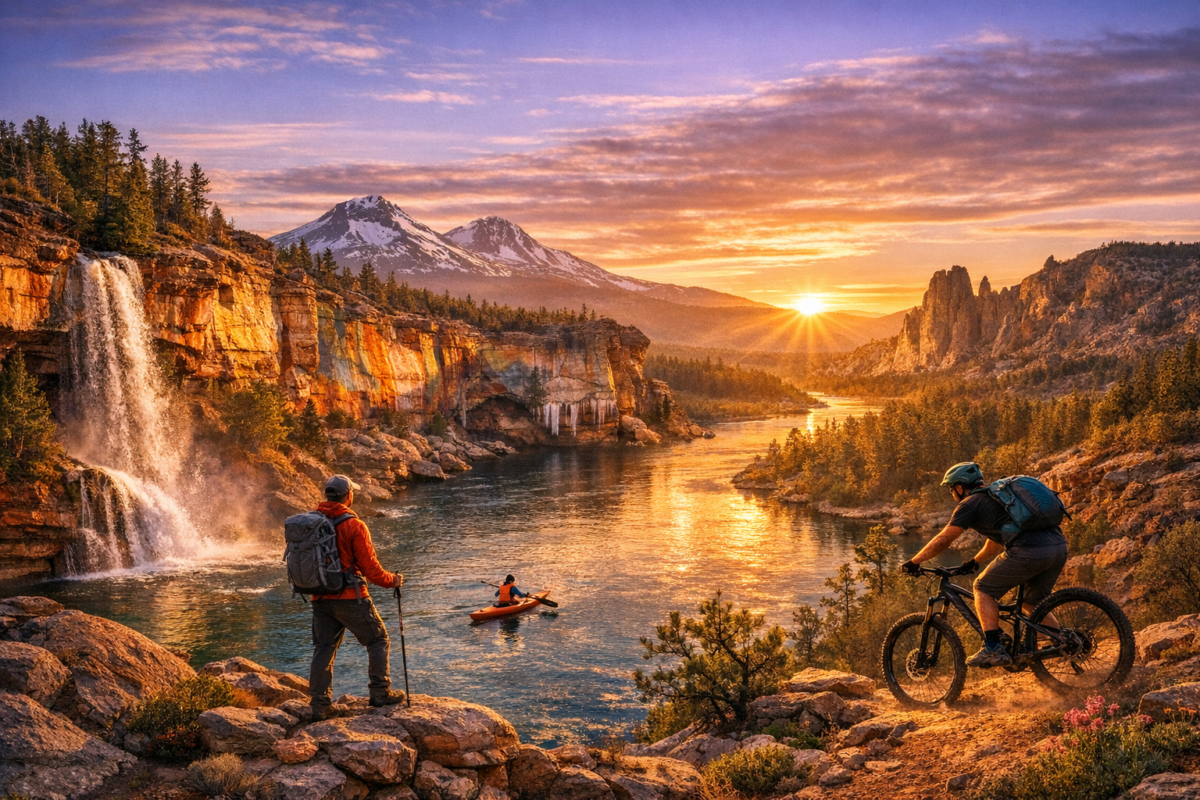
Portland gets all the Oregon attention. But Bend – a small city on the eastern slope of the Cascades – consistently ranks among the most livable cities in America, and it’s easy to understand why after 24 hours there.
Backcountry skiing on Mount Bachelor, fly fishing on the Deschutes River, mountain biking through ponderosa pine forests, and craft beer at over 20 breweries – Bend does everything without the pretentiousness. The town is genuinely welcoming, surprisingly affordable, and surrounded by volcanic landscapes that look like the surface of Mars.
- Don’t miss: Smith Rock State Park – one of the most photographed landscapes in Oregon
- Budget tip: Camp at Tumalo State Park just minutes from downtown for $28/night
- Nearest airport: Redmond Municipal (20 minutes from Bend) or Portland (3 hours)
8. Assateague Island, Maryland/Virginia – Wild Ponies on a Barrier Island
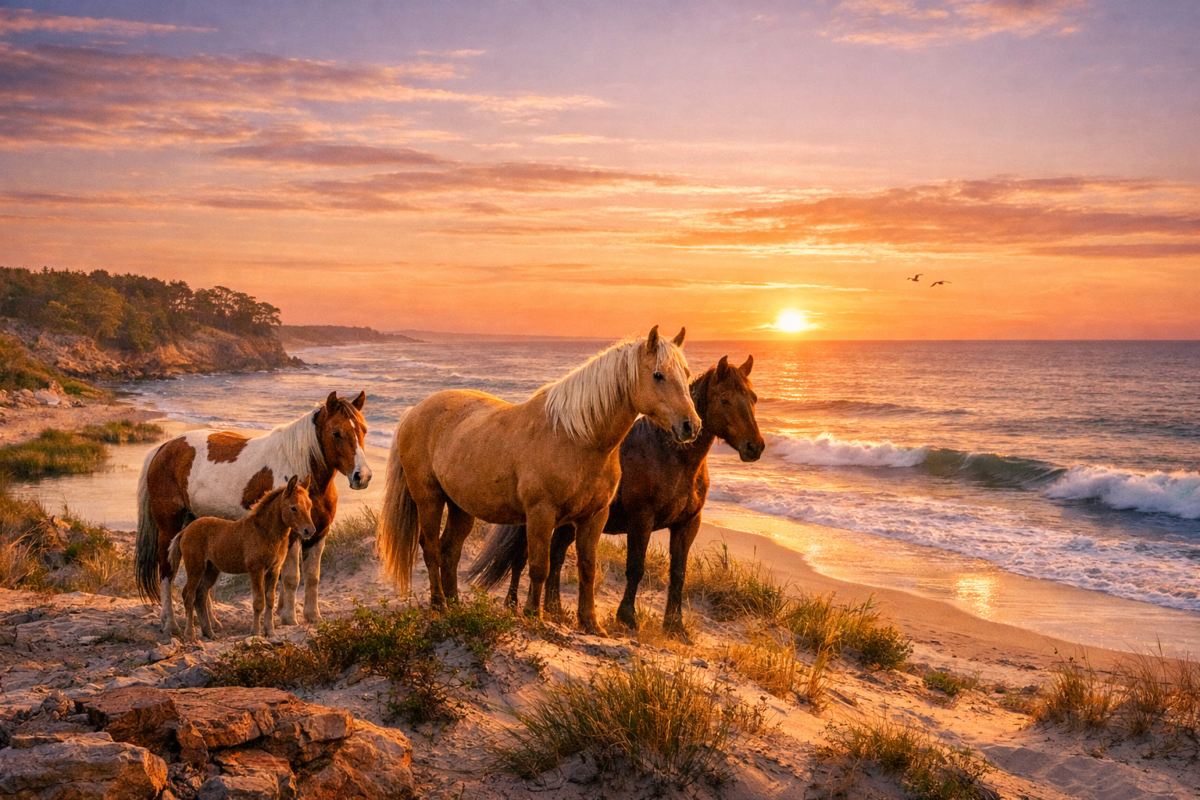
Assateague Island is a 37-mile barrier island that straddles the Maryland and Virginia border, and it is home to one of the most unusual wildlife encounters in the United States: wild ponies roaming freely along the beach.
These aren’t tame horses in a paddock – these are genuine feral ponies descended from horses that supposedly swam ashore from a 16th-century Spanish shipwreck (or, more likely, were left by colonists avoiding livestock taxes). They wander through campsites, wade into the surf, and generally ignore humans completely.
Pro Tip: Camp on the beach directly beside these ponies – sites are first-come, first-served and cost under $30/night. It’s one of the most surreal camping experiences in the USA.
9. Natchez, Mississippi – America’s Most Overlooked Historic City
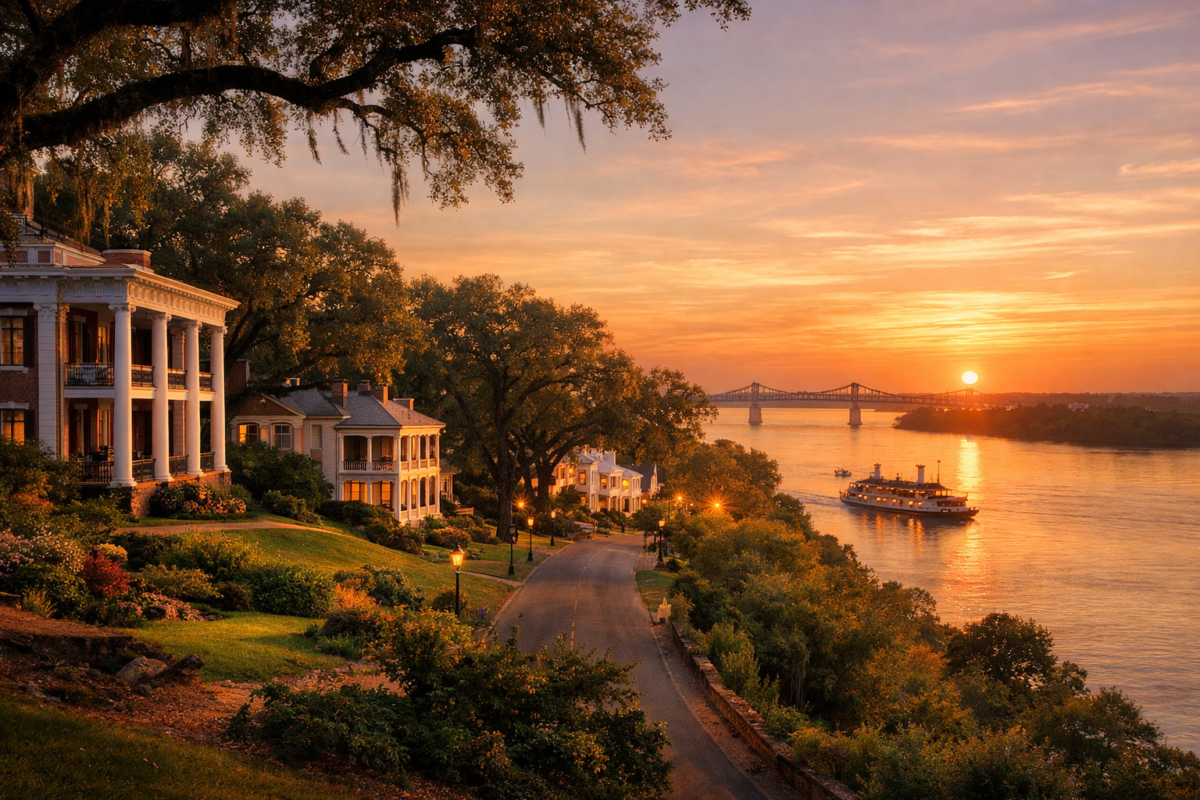
While Charleston and Savannah attract millions of visitors, Natchez – the oldest city on the Mississippi River – sits in near-total obscurity. This is a serious mistake.
Natchez has more antebellum mansions per capita than anywhere else in the country, and several are open for tours that provide genuinely nuanced, complex tellings of American history. The bluff views over the Mississippi are spectacular, the food scene is underrated, and a bed and breakfast in a 19th-century plantation home costs a fraction of what you’d pay in New Orleans, just 2.5 hours south.
10. Palouse Falls, Washington – A Waterfall in the Middle of Nowhere
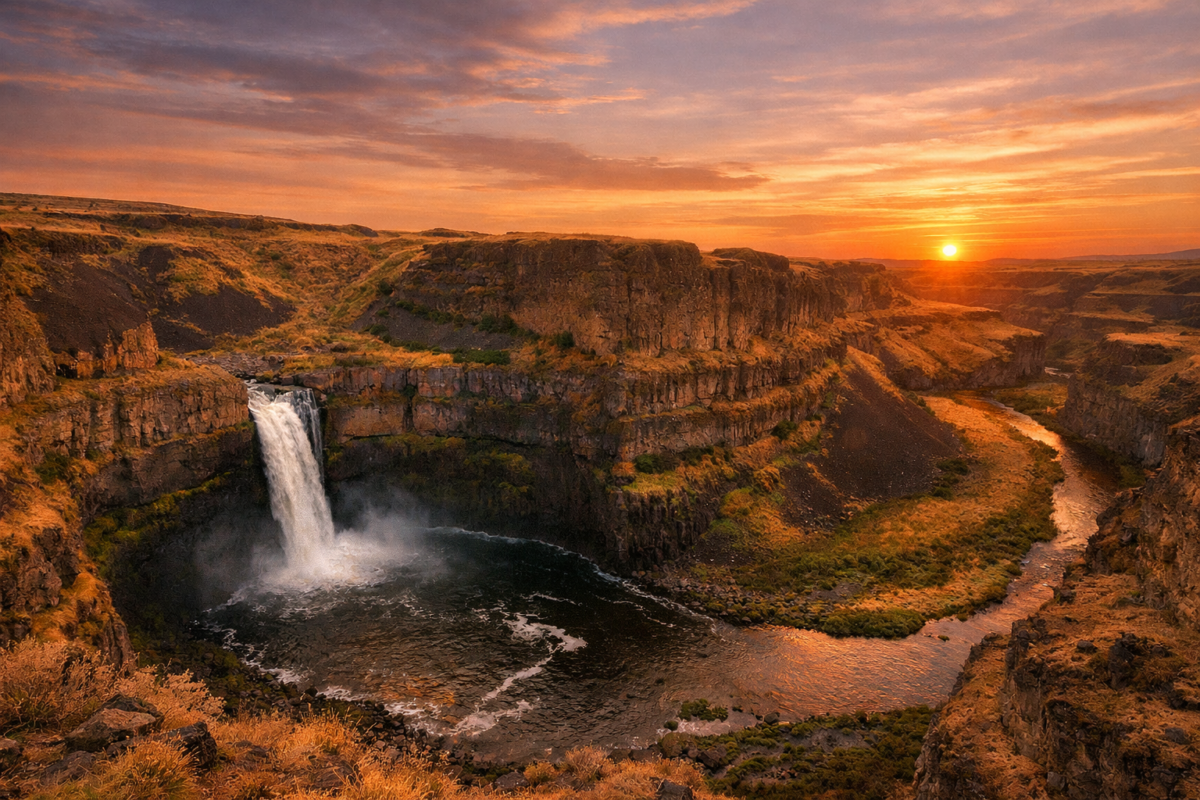
In the middle of the Columbia Plateau – dry, flat, wheat-farmed land that goes on for as far as the eye can see – the earth suddenly drops away into a 200-foot chasm and Palouse Falls thunders into a circular pool below.
This is Washington’s official state waterfall, yet almost nobody knows it exists. The drive through the Palouse region is itself extraordinary – rolling hills of golden wheat that photographers travel from across the world to capture in the soft May light.
11. The Ozarks, Arkansas/Missouri – America’s Forgotten Mountain Range
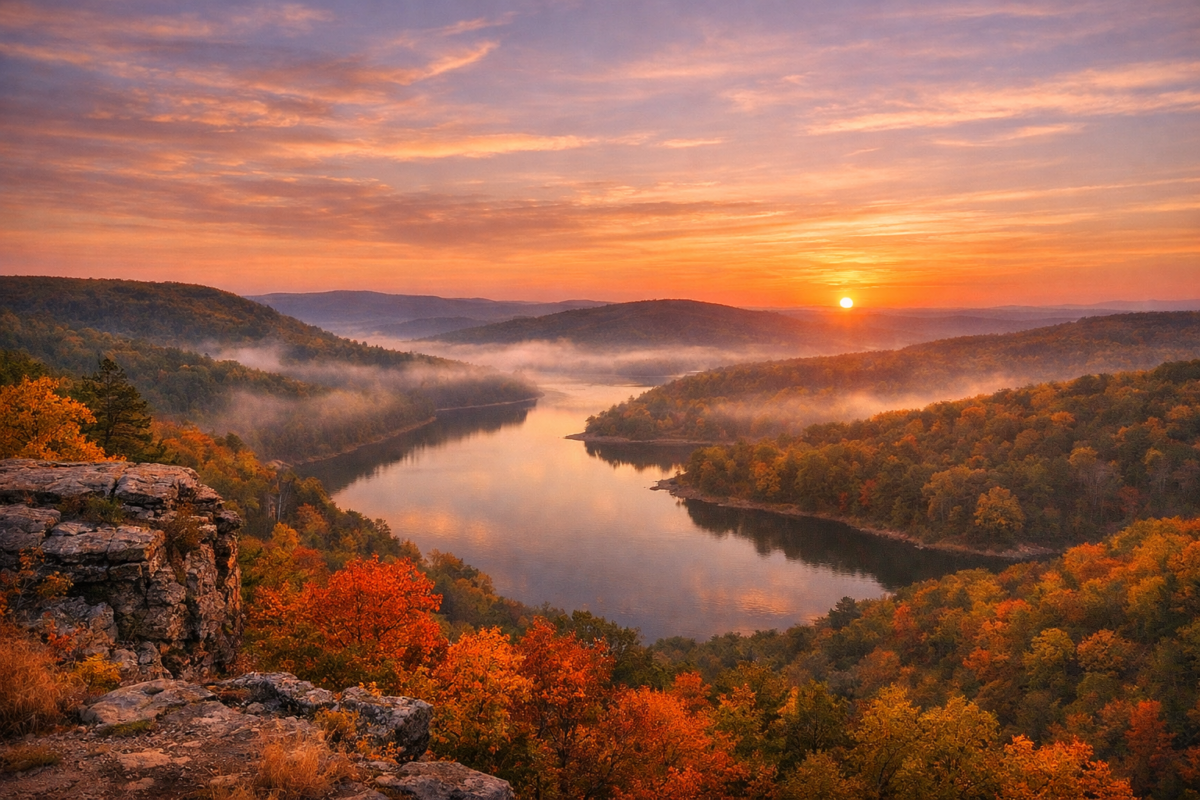
The Ozarks span more than 47,000 square miles of highlands across Arkansas and Missouri, yet they rarely appear in any ‘Top US Travel Destinations’ list. This is good news for travelers who find them.
Crystal-clear rivers for floating, thousands of miles of hiking trails, limestone caves, waterfalls, and some of the most affordable rural accommodation in America make the Ozarks an extraordinary road trip destination. The Buffalo National River – America’s first National River – offers world-class kayaking through sandstone bluffs draped in autumn color.
Pro Tip: The Ozarks are best explored by car. Rent one from GetRentACar for the best rates and flexibility on your route.
12. Molokai, Hawaii – The Hawaii Nobody Visits
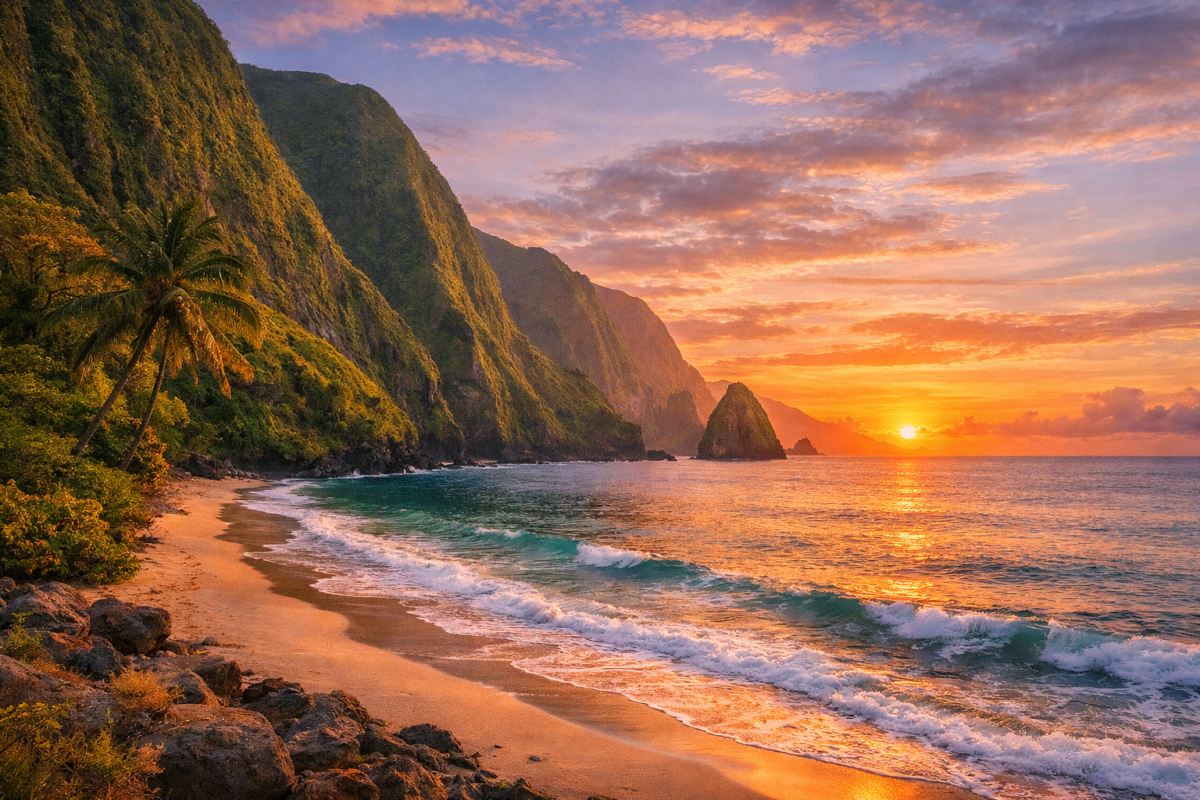
Hawaii draws over 10 million visitors a year – and almost none of them visit Molokai. This small island between Maui and Oahu has no traffic lights, no skyscrapers, no luxury resorts, and has actively resisted tourism development for decades.
What it does have is the world’s highest sea cliffs, mule rides down to a remote former leper colony (now a National Historic Park), and the most authentic Native Hawaiian culture remaining in the islands. Molokai residents famously don’t want your money – they want to know your name.
- Best for: Travelers seeking authenticity over amenities
- Getting there: Short flight from Honolulu on Mokulele Airlines
- Stay: Molokai’s only hotel, Wavecrest Resort, or vacation rentals
13. Congaree National Park, South Carolina – The Forgotten Jungle
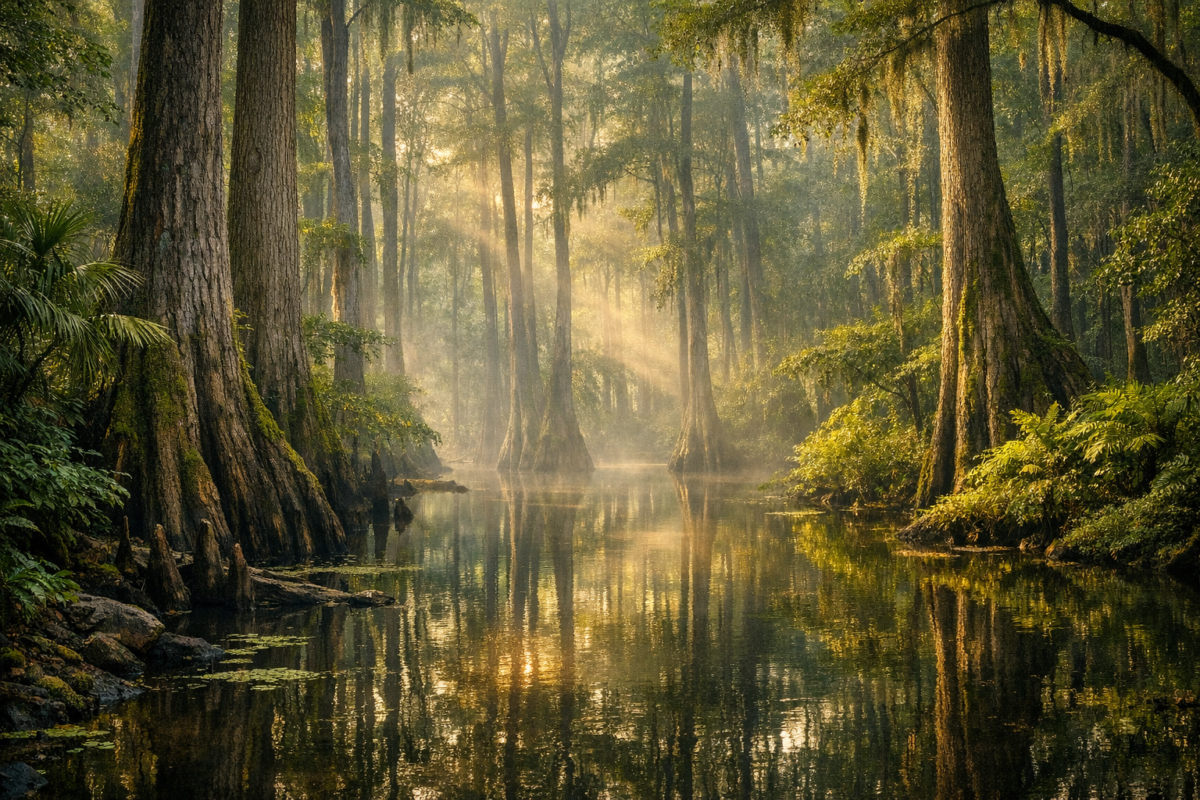
Most people can name a dozen US National Parks – Yellowstone, the Grand Canyon, Yosemite. Very few can name Congaree, which protects the largest intact expanse of old-growth bottomland hardwood forest in North America.
Walking the elevated boardwalk through these ancient trees – some of the tallest in the eastern US – feels genuinely prehistoric. The park sees fewer visitors in an entire year than Yellowstone sees in a single busy weekend, meaning you may well walk through champion-sized loblolly pines and bald cypress in total, extraordinary silence.
14. Palo Duro Canyon, Texas – The Grand Canyon’s Unknown Sibling
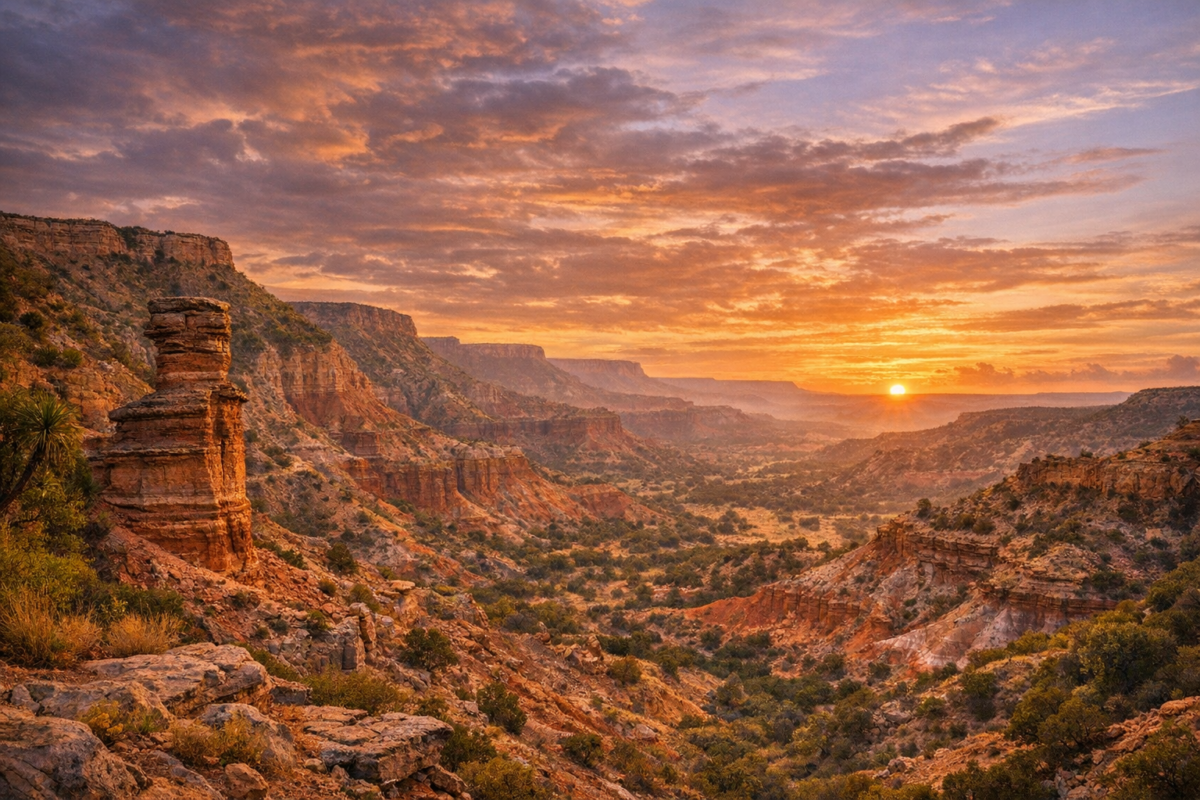
Carved by the Prairie Dog Town Fork of the Red River into the flat Texas Panhandle, Palo Duro Canyon is 120 miles long, up to 20 miles wide, and 800 feet deep. It is the second-largest canyon in the United States.
Unlike the Grand Canyon – which receives 6 million visitors a year – Palo Duro receives around 400,000. You can camp, hike, mountain bike, and horseback ride through the same geological drama of red and orange rock strata without once waiting in line. The state park fee is $8 per person.
Pro Tip: Drive the Lighthouse Trail at sunset – the red rock formations glow amber and the light show lasts about 20 minutes. Bring water; the Texas heat is no joke.
15. Acadia National Park – The Maine Coast at Its Most Dramatic
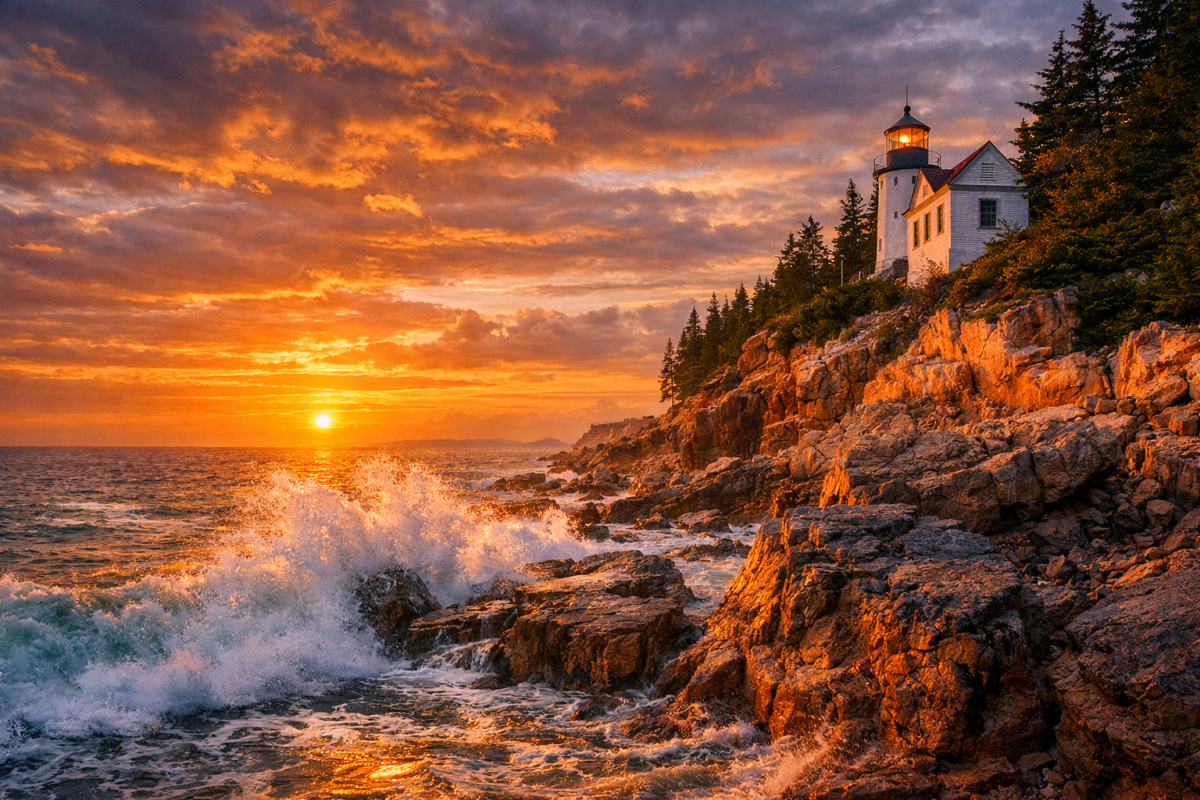
Technically not unknown, Acadia on Maine’s Mount Desert Island consistently ranks among the top 10 most-visited US National Parks – but it earns its place here because so few international travelers from the UK, Canada, or Europe include it in their American itineraries.
The combination of granite peaks, fjord-like sounds, cobblestone beaches, and some of the finest lobster you will eat in your life makes Acadia genuinely world-class. The carriage roads – 45 miles of broken-stone paths built by John D. Rockefeller – are perfect for cycling through fall foliage without a car in sight.
- Best time: Late September for fall foliage with thinner crowds
- Don’t miss: Summit of Cadillac Mountain for the first sunrise in the USA (October–March)
- Base yourself in: Bar Harbor – walkable, charming, full of excellent seafood
Getting There & Around: Practical Travel Tips
From the UK: Fly into major US hubs – New York, Boston, Chicago, Los Angeles, or Atlanta – and then connect domestically or pick up a rental car. Search for transatlantic fares using Aviasales or WayAway for cashback on flights.
From Canada: Most of these destinations are driveable from the Canadian border, or accessible via short domestic flights. Toronto to New York is 1 hour 20 minutes; Vancouver to Seattle is a 3-hour drive.
From Europe: A US ESTA visa waiver costs $21 and is approved within minutes for most European passport holders. Apply at least 72 hours before travel.
Getting a SIM card: Pick up an eSIM before you fly to avoid roaming charges. Airalo offers affordable USA data packages that activate the moment you land.
Car rental: Most of these destinations require a car. Compare prices across providers at GetRentACar for the best deals.
Travel insurance: Never travel to the USA without comprehensive travel insurance – US healthcare costs are among the highest in the world. Compare options at Ekta Travel Insurance.
Best Time to Visit These Hidden Gems
The USA spans multiple climate zones, so timing varies by destination – but here’s a general guide:
- Spring (March-May): Wildflowers in Texas (Bluebonnet season), mild temps in the South, Ozarks rivers at peak flow
- Summer (June-August): Pacific Northwest hiking, Michigan coastlines, Colorado wildflowers, Maine coast
- Autumn (September-November): New England and Acadia fall foliage (peak mid-October), Palouse golden wheat harvest, Natchez Pilgrimage
- Winter (December-February): Crested Butte skiing, Apostle Islands ice caves (when conditions allow), Texas road trips
Frequently Asked Questions
Q1: What is the most underrated state to visit in the USA?
Arkansas is consistently overlooked despite offering world-class outdoor experiences. The Buffalo National River, Ozark National Forest, and Hot Springs National Park make it one of the best-value travel destinations in America. Accommodation and food costs are significantly lower than comparable destinations in Colorado or California.
Q2: How do I find hidden gems in the USA beyond this list?
The best method is combining Google Maps exploration (zoom into areas between major cities and look for state parks, national forests, and historic sites) with Reddit communities like r/travel and r/roadtrip. Local tourism boards also publish guides to lesser-known attractions that never make national travel media.
Q3: Can I visit these places on a budget?
Absolutely. Many of the destinations on this list – Palo Duro Canyon, Congaree, Apostle Islands, Assateague – have entry fees under $20 or are completely free. Combined with camping and self-catering, a week exploring these destinations is achievable for $60–80/day. Use our AI Travel Budget Estimator at AI Travel Budget Estimator to plan your costs.
Q4: Do international visitors need a visa to visit the USA?
Citizens of 42 countries – including the UK, most of Europe, Canada, Australia, and Japan – can visit the USA for up to 90 days under the Visa Waiver Program using an ESTA authorization. The ESTA application is online, costs $21, and is typically approved within minutes. Canadian citizens do not need an ESTA and can enter with a valid passport.
Q4: What’s the best way to get around the USA without a car?
For city-hopping, Amtrak trains connect many major cities and offer a scenic, affordable alternative to flying. For rural destinations (which most hidden gems are), a rental car is essentially essential. If you prefer not to drive yourself, GetTransfer offers private airport transfers and intercity rides in most US destinations.
Q5: When is the worst time to visit popular US destinations?
July 4th weekend and the period between Thanksgiving and New Year see massive domestic travel surges that can double accommodation prices and crowd even remote destinations. For international travelers, visiting the USA in May, early June, September, or October offers the best combination of good weather, lower prices, and thinner crowds.
Final Thoughts: The USA You Haven’t Seen Yet
America is endlessly bigger than the places that make the highlight reel. Behind the Grand Canyon, the Las Vegas Strip, and Times Square lies a country of staggering diversity – desert canyons lit orange at dawn, ancient forests dripping with moss, wild ponies standing in the surf, and towns where art and geology and history collide in ways that make no logical sense and yet feel completely right.
The 15 hidden gems on this list are just the beginning. Every state has its version of this – the place locals love that nobody else has found yet. The trick is to drive past the billboard, take the unmarked exit, and see what happens.
Start planning your next American adventure today. Use our AI Travel Budget Estimator, check live flight prices, and start mapping the road trip of your life.
Happy travels – and stay hidden.
Hidden Travels Team | hiddentravels.site