1. Introduction – Why Europe Can Still Be Affordable
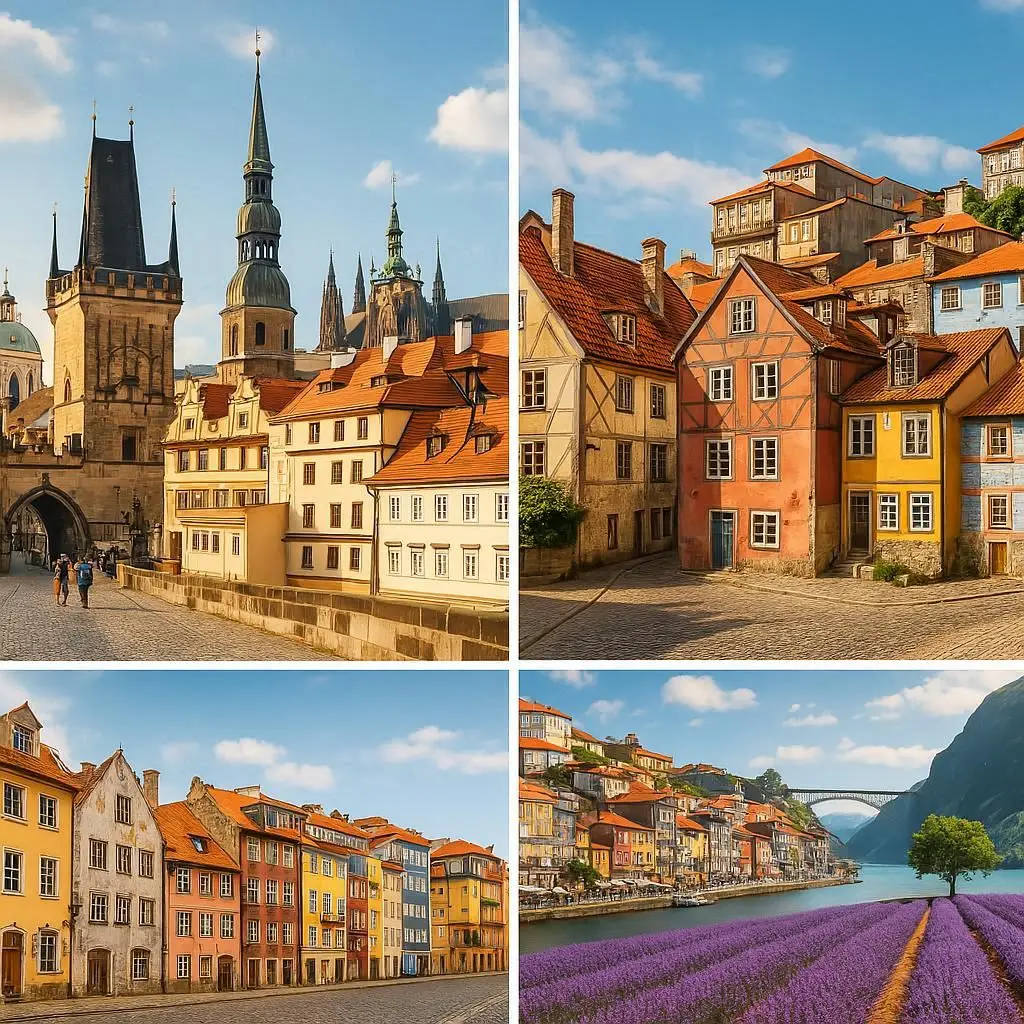
Europe has long been a dream destination for travelers around the world — from the cobblestone streets of Prague to the lavender fields of Provence and the dramatic fjords of Norway. Unfortunately, many believe that exploring this continent comes with a heavy price tag. The common assumption is simple: “Europe is expensive. Only wealthy travelers can afford it.”
The truth? Cheap travel in Europe is absolutely possible — and not just possible, but incredibly rewarding. In fact, embracing budget travel in Europe often leads to more authentic experiences. By skipping overpriced tourist traps, you’ll meet locals, discover hidden spots, and immerse yourself in the real culture.
This guide is for anyone who dreams of cheap travel in Europe without draining their savings — whether you’re a backpacker on a shoestring budget, a digital nomad seeking long-term stays, or a family looking for a memorable holiday that won’t break the bank.
We will cover:
- Choosing budget-friendly destinations where your money goes further.
- Learning the best times of year to travel for cheap flights and lower prices.
- Affordable ways to get around — from trains and buses to ride-shares and budget airlines.
- Where to find budget accommodation that’s safe, comfortable, and well-located.
- How to eat well without overspending.
- The best free and low-cost attractions.
- And travel hacks that even experienced travelers often overlook.
💡 Pro Tip: Start your planning with our Budget Travel category — we regularly update it with money-saving guides, destination recommendations, and insider tricks.
Table of Contents
2. Planning Your Cheap European Adventure
A successful cheap Europe trip starts long before you step onto the plane. Good planning is what separates budget-conscious travelers from those who overspend without realizing it.
2.1 Choose Budget-Friendly Destinations for Cheap Travel in Europe
The biggest mistake many travelers make is assuming all of Europe has the same price tag. The truth is that your choice of destination can double or halve your travel costs.
Here’s a breakdown:
| Region | Example Countries | Average Daily Cost (Budget Traveler) | Why It’s Affordable |
|---|---|---|---|
| Eastern Europe | Poland, Romania, Bulgaria, Serbia | $30–$50 | Low accommodation costs, cheap public transport, affordable local food |
| Southern Europe (select areas) | Portugal, Greece (outside main islands), southern Spain | $40–$70 | Lower cost of living, inexpensive fresh food, off-season beach stays |
| Western Europe (budget approach) | France, Germany, Italy (small towns) | $60–$90 | Possible if you stay in small towns, use public transport, and eat local |
Eastern Europe is a goldmine for cheap European travel. Not only is it affordable, but it also offers rich culture, history, and food. For example:
- Kraków, Poland: Hostel beds from $12/night, hearty meals for under $5.
- Bucharest, Romania: Modern cafes, historical landmarks, budget hotels starting at $25/night.
Portugal is another budget-friendly gem, especially Lisbon’s outskirts and the Algarve in off-season months.
For detailed country breakdowns, check out our Destination Guides section.
2.2 Travel Off-Peak Seasons
Timing your trip can make or break your budget. Traveling during peak summer (June–August) not only costs more in flights and accommodation but also comes with crowded attractions.
Shoulder seasons — late spring (April–May) and early autumn (September–October) — offer:
- Lower accommodation prices (up to 50% less).
- More flight deals.
- Pleasant weather for sightseeing.
- Fewer tourists.
If you can travel in winter (excluding Christmas/New Year weeks), you’ll find some of the cheapest deals of the year — especially in destinations like Prague, Budapest, or Athens.
2.3 Set a Realistic Budget
Budget planning isn’t just about setting a daily spending limit — it’s about understanding your spending priorities.
Break your budget into:
- Accommodation: Usually 30–40% of your daily spend.
- Food: Around 20–25%.
- Transport: 10–20%, depending on your itinerary.
- Activities: 10–20%, more if you plan expensive tours.
Example: A 10-day trip in Eastern Europe could look like this:
- $25/night x 10 nights = $250
- $15/day on food = $150
- $8/day transport = $80
- $10/day attractions/tours = $100
Total: ~$580 + flights
💡 Pro Tip: Use apps like Trail Wallet or TravelSpend to track every expense.
3. Finding Cheap Flights to Europe
Flights are often the single largest expense when traveling to Europe — but with the right strategies, you can significantly cut costs.
3.1 Book in Advance vs. Last Minute
For international flights (e.g., from the US, Canada, or Asia to Europe), the sweet spot is 2–4 months before departure. Too early, and you might miss airline sales; too late, and prices may skyrocket.
For short-haul flights within Europe, sometimes last-minute deals on budget airlines can be cheaper — especially if you’re flexible with dates and destinations.
💡 Example: I once booked a Ryanair flight from Milan to Barcelona for just €12, two days before departure.
3.2 Use Flight Comparison Tools
Don’t just check one airline’s website — always compare across multiple booking platforms.
Best tools for finding cheap Europe flights:
- Google Flights: Great for flexible date searches.
- Skyscanner: Shows monthly price calendars for cheapest days.
- WayAway: Offers cash-back on bookings (more on this in our resources section).
Pro tips:
- Search in incognito/private mode to avoid dynamic pricing.
- Be open to flying into alternative airports — for example, fly into Milan Bergamo instead of Milan Malpensa to save money.
- Mix airlines and book one-way tickets separately when it’s cheaper.
3.3 Avoid Common Flight Booking Mistakes
- Don’t book the first “cheap” fare you see — hidden fees (baggage, seat selection) can double the cost.
- Check baggage size and weight limits for budget airlines like Ryanair and Wizz Air.
- Avoid high-season weekends if possible — midweek flights (Tuesday, Wednesday) are often cheaper.
4. Affordable Accommodation in Europe
Finding the right place to stay is one of the most important steps in keeping your Europe trip cheap. Luckily, the continent has a wide range of affordable accommodation options that don’t sacrifice safety or comfort.
4.1 Stay in Hostels and Guesthouses
Hostels have come a long way from the bare-bones, dormitory-style setups of the past. Many modern hostels in Europe are boutique-style with clean, stylish interiors, free Wi-Fi, communal kitchens, and even private rooms.
Why choose hostels?
- Price: Dorm beds in Eastern Europe start from $8–$15 per night. In Western Europe, $20–$35 is typical.
- Social opportunities: Great for meeting fellow travelers.
- Extras: Free walking tours, communal dinners, or laundry services in some places.
Top budget hostel chains in Europe:
- Generator Hostels (across major cities like London, Berlin, Amsterdam)
- a&o Hostels (Germany, Italy, Czech Republic)
- Hostel One (Spain, Italy, Central Europe)
💡 Pro Tip: Book directly on the hostel’s own website when possible — they often offer cheaper rates or freebies like breakfast.
4.2 Short-Term Rentals & Apartment Shares
Platforms like Airbnb, Vrbo, and even Booking.com list entire apartments or rooms for rent — often cheaper than hotels if you’re traveling as a couple or group.
Benefits:
- Kitchen access to cook your own meals.
- Local experience by staying in residential neighborhoods.
- Long-stay discounts (weekly or monthly rates).
Example: A one-bedroom apartment in Lisbon for a week in the shoulder season can cost as little as $250 — much cheaper than a hotel in the city center.
💡 Safety Tip: Always read reviews carefully and book with hosts who have multiple verified stays.
4.3 University Dorm Rentals in Summer
During the summer break (usually June–August), many universities across Europe rent out student dorm rooms to travelers.
Advantages:
- Prime locations in city centers.
- Private rooms at hostel prices.
- Often include basic amenities like Wi-Fi and laundry facilities.
Popular in cities like Edinburgh, Paris, and Berlin, these dorms can be booked through sites like UniversityRooms.com.
5. Getting Around Europe Cheaply
Europe’s transport network is one of the best in the world, offering travelers countless options for getting from point A to point B. But not all are created equal when it comes to price.
5.1 Budget Airlines
Low-cost carriers revolutionized travel in Europe. Airlines like Ryanair, easyJet, and Wizz Air offer fares that can be cheaper than a train ticket.
Example: A flight from Warsaw to Rome can cost as little as €15 if booked in advance.
Money-saving tips:
- Travel light — checked baggage fees can cost more than your ticket.
- Double-check airport locations; budget airlines often use secondary airports far from the city center.
- Bring your own snacks and water (after security).
5.2 Train & Bus Travel
Trains:
- Eurail Pass: Great for flexibility if you plan to visit multiple countries.
- Regional passes: Cheaper for short trips within one country (e.g., German Länder-Ticket).
Buses:
- FlixBus and BlaBlaCar Bus offer fares as low as €5–€10 between cities.
- Overnight buses can save you the cost of a night’s accommodation.
💡 Pro Tip: For scenic routes, like Switzerland’s Glacier Express or Norway’s Bergen Line, book early to get discounted fares.
5.3 Ride-Sharing & Car Rentals
BlaBlaCar is a trusted ride-sharing platform where you can split fuel costs with drivers already heading your way.
For rural areas with poor public transport, renting a car may actually be cheaper if you’re traveling in a group. Always compare prices on car rental aggregator sites and check for hidden fees like cross-border charges.
6. Saving Money on Food
Food is one of the easiest areas to overspend on during a Europe trip — but it’s also one of the easiest to save on if you know where to look.
6.1 Street Food & Local Markets
Local markets offer fresh produce, bread, cheese, and snacks at prices far below supermarkets in tourist areas.
Examples:
- La Boqueria Market in Barcelona: Fresh fruit juices for €1–€2.
- Hala Mirowska in Warsaw: Fresh produce at local prices.
Street food scenes are growing in many European cities — think Berlin’s currywurst, Budapest’s lángos, or Istanbul’s simit.
6.2 Cook Your Own Meals
Booking accommodations with kitchen access can drastically cut your food budget. A simple breakfast of eggs, bread, and fruit can cost €2–€3 when self-prepared versus €10+ in a cafe.
💡 Pro Tip: In countries like Italy and France, local bakeries and small grocery stores offer “end of day” discounts before closing.
6.3 Eat Like a Local
Skip tourist areas and head to neighborhoods where locals dine. Look for daily lunch specials (“menu del día” in Spain, “pranzo” in Italy) which offer a starter, main, dessert, and drink for under €10–€15.
7. Free & Low-Cost Attractions
Europe is full of world-class attractions, many of which are free or extremely cheap if you know when and where to look. Spending less on entry fees means more budget for experiences that matter to you.
7.1 Free Museum Days
Many European cities offer free museum entry either on certain days or during specific hours:
- Paris, France: The Louvre offers free entry on the first Saturday of each month from 6 PM to 9:45 PM. The Musée d’Orsay is free on the first Sunday of the month.
- London, UK: Major museums like the British Museum, National Gallery, and Tate Modern are always free.
- Berlin, Germany: State museums often have free entry on the first Thursday evening of the month.
💡 Pro Tip: Even on paid days, some museums have “late entry” discounts after 5 PM.
7.2 Walking Tours
Free walking tours are available in almost every major city in Europe — you simply tip the guide at the end based on what you can afford. These tours are not only budget-friendly but also a great way to learn about a city’s culture and history from a local perspective.
Popular providers:
- SANDEMANs New Europe Tours (operates in many cities)
- GuruWalk (connects travelers with local volunteer guides)
7.3 Outdoor Adventures
Nature lovers can explore Europe’s beauty without spending much:
- Plitvice Lakes National Park, Croatia: Entrance fee is modest, and nature views are priceless.
- The Swiss Alps: Hiking trails are free, though cable cars cost extra.
- Norwegian Fjords: Many viewpoints are free to visit if you’re willing to hike.
7.4 Festivals and Street Events
Many European cities host free public festivals, concerts, and cultural celebrations:
- Carnival in Venice (watch the parades and costumes without paying for events)
- Fête de la Musique in France (free music performances in the streets every June 21)
8. Travel Hacks for Cheap Europe Trips
The right travel hacks can take your budget trip from good to amazing. Here are tried-and-tested tips for squeezing every bit of value out of your trip.
8.1 City Tourist Cards
These prepaid cards can save you big money if you plan to see multiple attractions. They usually include:
- Free or discounted entry to museums and landmarks.
- Unlimited public transport.
- Restaurant discounts.
Examples:
- Paris Passlib’
- Berlin WelcomeCard
- Lisboa Card
💡 Tip: Only buy if you’ll visit enough attractions to make it worth the price.
8.2 Local SIM Cards & eSIMs
Avoid costly roaming charges by getting a local SIM or eSIM before you travel.
- Airalo offers affordable eSIMs that you can activate instantly.
- Yesim also provides competitive rates for travelers across Europe.
8.3 Travel Insurance
Budget travel doesn’t mean skipping essentials. A small investment in travel insurance can save you thousands in case of medical emergencies or trip disruptions. Many affordable plans offer good coverage for Europe.
8.4 Night Travel
Take overnight buses or trains when possible — you’ll save on a night’s accommodation and still get to your next destination.
8.5 Use Cash and Card Strategically
Some small towns and markets are cash-only, while in cities, cards are widely accepted. Use a no-foreign-transaction-fee card to save on extra charges.
9. Sample 2-Week Cheap Europe Itinerary
Here’s a sample itinerary for budget-conscious travelers wanting a mix of Eastern and Southern Europe without overspending.
Week 1 – Eastern Europe:
- Day 1–3: Kraków, Poland — Explore Wawel Castle, Auschwitz (day trip), and Old Town. Hostel: $15/night.
- Day 4–5: Budapest, Hungary — Thermal baths, Fisherman’s Bastion, Danube cruise. Hostel: $12/night.
- Day 6–7: Bucharest, Romania — Palace of Parliament, Old Town walking tour. Budget hotel: $25/night.
Week 2 – Southern Europe:
- Day 8–9: Athens, Greece — Acropolis, Plaka neighborhood. Hostel: $20/night.
- Day 10–12: Lisbon, Portugal — Tram 28 ride, Belém Tower, street food at Time Out Market. Airbnb: $40/night.
- Day 13–14: Seville, Spain — Seville Cathedral, Flamenco show, tapas crawl. Hostel: $18/night.
Average cost for 2 weeks (excluding flights): $1,200–$1,500 including accommodation, food, and transport.
10. Recommended Travel Resources
To make your cheap Europe travel smooth, budget-friendly, and stress-free, here’s a list of tried-and-tested travel tools and services. These will help you save money, plan efficiently, and travel smarter.
- GetRentACar – Affordable car rental deals across Europe. Compare prices from multiple providers and pick the most budget-friendly option.
- Airalo eSIM – Stay connected anywhere in Europe without paying huge roaming fees. Instantly install an eSIM on your phone.
- Hotellook – Search and compare hotel prices from hundreds of booking sites to get the cheapest deals.
- Searadar Yacht & Boat Rentals – Explore Europe from the water. Rent yachts and boats at competitive rates.
- WayAway Plus – Book flights with cashback rewards on top of already low prices. Perfect for frequent travelers.
- EktaTraveling – Budget-friendly travel insurance that covers medical, luggage, and trip cancellation.
- Yesim eSIM – Another great eSIM option for affordable data plans while traveling in Europe.
- GetTransfer – Pre-book private transfers, taxis, or rideshares for cheaper rates than at the airport.
- NordVPN – Protect your data on public Wi-Fi while traveling and access location-restricted content.
- Travel & Tours Finder – Discover budget-friendly guided tours and local activities in your destination.
- Radical Storage – Safely store your luggage in trusted locations so you can explore without carrying heavy bags.
Closing Thoughts
Traveling through Europe doesn’t have to cost a fortune. With the right planning, flexible timing, and a willingness to explore beyond the most famous tourist spots, you can have an incredible European adventure without draining your savings.
Whether it’s wandering the backstreets of Lisbon, taking a €10 bus from Prague to Vienna, or enjoying a picnic by the Seine, the magic of Europe lies in its everyday moments — many of which don’t cost a thing.
So pack light, plan smart, and get ready to explore Europe the budget-friendly way.